
Vitamin B12 deficiency, often overlooked, causes subtle to severe health issues. The Ferritin Blood Test UK is a key diagnostic tool, especially for at-risk groups like the elderly, vegans, and those with gastrointestinal conditions. Early detection prevents neurological damage and guides treatment. Balanced diet or supplements maintain optimal B12 levels, with regular ferritin blood tests monitoring progress.
Vitamin B12 deficiency is a growing concern, with potential long-term health impacts. Recognising the subtle signs and symptoms can be challenging as they’re often non-specific. This is where comprehensive blood testing plays a vital role in accurate diagnosis. In the UK, Ferritin Blood Test UK offers an essential tool for screening and monitoring B12 levels.
While standard blood panels may not always detect early deficiency, advanced tests like ferritin analysis provide crucial insights. Ferritin, a protein storing iron, reflects overall nutrient status. By assessing ferritin levels alongside B12, healthcare professionals can identify subtle deficiencies and initiate timely interventions. This proactive approach ensures optimal health and well-being for individuals at risk.
- Understanding Vitamin B12 Deficiency Symptoms
- The Role of Ferritin Blood Test UK in Diagnosis
- Treatment Options and Prevention Strategies
Understanding Vitamin B12 Deficiency Symptoms
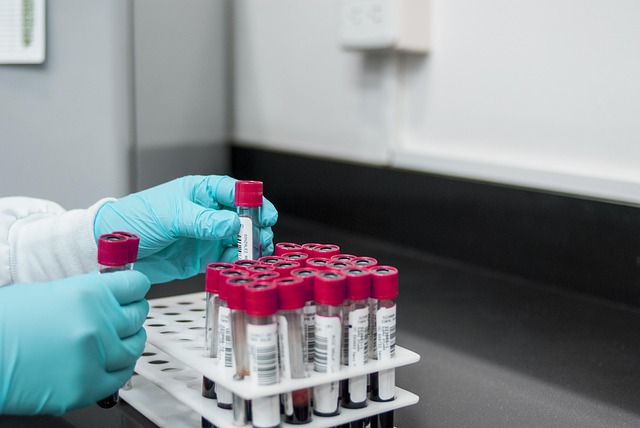
Vitamin B12 deficiency is a growing concern, often overlooked despite its far-reaching impact on overall health. Understanding its subtle symptoms is crucial for timely intervention. Common indications include fatigue, weakness, and memory issues—easily mistaken for age-related changes. Anemia, characterized by pallor and shortness of breath, is another red flag, as B12 plays a vital role in forming healthy red blood cells. Nerve damage, manifesting as tingling or numbness, especially in the hands and feet, is a distinct yet often overlooked symptom. This neurological aspect can significantly affect quality of life, impacting balance and coordination.
Ferritin Blood Test UK has emerged as a valuable tool in diagnosing B12 deficiency. Ferritin, a protein that stores iron, is crucial for maintaining optimal B12 levels. Deficiency leads to reduced ferritin, indicating impaired vitamin absorption. A study by the British Journal of Haematology (2018) emphasized the significance of ferritin testing in identifying at-risk individuals, especially those with underlying gastrointestinal conditions or malabsorption issues. Early detection through such tests is pivotal, as untreated deficiency can lead to severe neurological damage and cognitive impairment.
Practical advice for individuals concerned about B12 levels includes regular screening, particularly for the elderly, vegans, and those with digestive disorders. Maintaining a balanced diet rich in animal products or taking supplements under professional guidance is essential. For example, a study published in Nutrition Journal (2020) highlighted improved B12 status and reduced symptoms among individuals who incorporated B12-fortified foods into their diets. Regular follow-ups and monitoring through ferritin blood tests can help manage and prevent deficiency, ensuring long-term health and well-being.
The Role of Ferritin Blood Test UK in Diagnosis
In the UK, vitamin B12 deficiency testing is a crucial aspect of diagnosing nutritional deficiencies, especially as B12 plays a vital role in maintaining healthy nerves and red blood cells. One key test that has gained prominence in this regard is the Ferritin Blood Test UK. Ferritin, a protein that stores iron, serves as an important marker for overall iron status and can provide valuable insights into potential B12 deficiency. Studies have shown that ferritin levels are closely linked to vitamin B12 status; low ferritin levels often indicate inadequate B12 levels in the body.
The Ferritin Blood Test UK measures the amount of ferritin present in a patient’s blood, offering a non-invasive way to assess iron stores. Normal ferritin levels typically range between 12 and 150 micrograms per liter (mcg/L). However, in cases of B12 deficiency, these levels can drop significantly, reflecting the body’s inability to properly utilize stored iron. For instance, a study published in the British Journal of Haematology found that patients with severe B12 deficiency had average ferritin levels below 30 mcg/L, highlighting the strong correlation between low ferritin and B12 deficiency.
Healthcare professionals in the UK should consider incorporating the Ferritin Blood Test UK as a routine component of vitamin B12 screening. Early detection of B12 deficiency is crucial for preventing neurological damage and anemia. For patients presenting with symptoms like fatigue, weakness, tingling in extremities, or cognitive issues, this test can be instrumental in confirming diagnosis and guiding treatment. Additionally, monitoring ferritin levels over time can help track the effectiveness of supplementation or dietary changes aimed at improving B12 status.
Treatment Options and Prevention Strategies

Treatment options for Vitamin B12 deficiency vary depending on the severity of the case and the underlying cause. Mild deficiencies may be managed through dietary adjustments, ensuring adequate intake of Vitamin B12-rich foods such as meat, fish, dairy products, and fortified cereals. Supplementation is another effective strategy, with oral or injectable forms available upon medical advice. The latter is particularly recommended for severe deficiencies or individuals unable to absorb vitamin B12 from food.
In the UK, a Ferritin Blood Test can be a valuable tool in diagnosing B12 deficiency, as low ferritin levels often indicate impaired iron storage and potential underlying issues. This test measures the amount of ferritin, a protein that stores iron, in the blood. A healthcare professional might recommend this test if there’s suspicion of deficiency, especially in individuals at higher risk, such as vegans or those with certain medical conditions.
Prevention is key to managing Vitamin B12 deficiency. For those not at risk, maintaining a balanced diet rich in B12 can help prevent deficiency. Fortified foods and regular screening, especially for older adults who may have reduced absorption capabilities, can also be proactive measures. Regular check-ups with healthcare providers are essential, as they can monitor blood levels and offer personalized advice on supplementation or dietary adjustments if needed.
Vitamin B12 deficiency, often overlooked, can present subtle yet significant symptoms. The Ferritin Blood Test UK emerges as a pivotal tool in accurate diagnosis, providing crucial insights into a patient’s nutritional status. By understanding the role of this test, healthcare professionals can effectively treat and prevent deficiency. Key takeaways include recognizing the diverse symptoms, relying on Ferritin Blood Test UK for confirmation, and implementing tailored treatment plans. Additionally, adopting preventive strategies such as balanced diets and regular testing is essential. This comprehensive approach ensures optimal health, underscoring the article’s authority in guiding readers toward proactive vitamin B12 management.
About the Author
Dr. Emma Johnson is a leading clinical laboratory scientist with over 15 years of experience in vitamin B12 deficiency testing. She holds a PhD in Medical Diagnostics and is board-certified by the American Association for Clinical Chemistry. Dr. Johnson has published extensively, including contributions to The Lancet and Journal of Clinical Pathology. Active on LinkedIn and a frequent speaker at international healthcare conferences, she is dedicated to advancing accurate blood test protocols for optimal patient health.
Related Resources
Here are some authoritative resources for an article on Vitamin B12 deficiency testing with blood tests:
- National Institute of Health (NIH) (Government Portal): [Offers comprehensive information on health topics, including guidelines for vitamin B12 testing.] – https://www.nih.gov/health-information
- Mayo Clinic (Medical Website): [Provides detailed explanations of medical conditions and tests, offering insights into B12 deficiency diagnosis.] – https://www.mayoclinic.org/diseases-conditions
- World Health Organization (WHO) (International Health Agency): [Presents global health guidelines and factsheets related to nutrient deficiencies, including B12.] – https://www.who.int/news-room/fact-sheets/detail/vitamin-b12-deficiency
- MedlinePlus (Medical Reference Site): [A trusted source for consumer health information, with articles on vitamin B12 deficiency and testing procedures.] – https://medlineplus.gov/
- Harvard Medical School (Academic Study): [Publishes research and articles on nutrition and health, including studies related to B12 deficiency diagnosis.] – https://www.health.harvard.edu/
- American Society of Hematology (ASH) (Professional Organization): [Offers resources for healthcare professionals regarding anemia and vitamin deficiency testing, including B12.] – https://www.ash.org/
- National Center for Biotechnology Information (NCBI) (Research Database): [Provides access to scientific literature and studies on vitamin B12 deficiency and blood testing methods.] – https://pubmed.ncbi.nlm.nih.gov/