
Vitamin D deficiency, linked to ferritin levels, affects fertility and overall health, especially in urban areas with limited sunlight. The Ferritin Blood Test UK assesses iron storage, vital for women of reproductive age and post-menopause. Low ferritin correlates with fatigue and immunity issues, while high levels may signal conditions like hemochromatosis. Regular testing, lifestyle adjustments (e.g., sun exposure, dietary changes), and supplementation guided by healthcare professionals optimize Vitamin D levels and overall wellness.
Vitamin D levels testing has gained significant importance in recent years as a crucial aspect of overall wellness. With its role in bone health, immune function, and even mental well-being, ensuring adequate Vitamin D levels is no longer merely an option but a necessity. However, the problem lies in the fact that many individuals are unaware of their deficient or excessive Vitamin D levels. To address this gap, exploring reliable testing methods becomes essential. In the UK, Ferritin Blood Test UK offers a valuable tool to assess Vitamin D status, providing insights that can guide personalized wellness strategies for optimal health.
- Understanding Vitamin D Deficiency: Causes & Risks
- Ferritin Blood Test UK: Diagnosing Iron Storage
- Optimizing Levels: Lifestyle & Supplementation Strategies
Understanding Vitamin D Deficiency: Causes & Risks
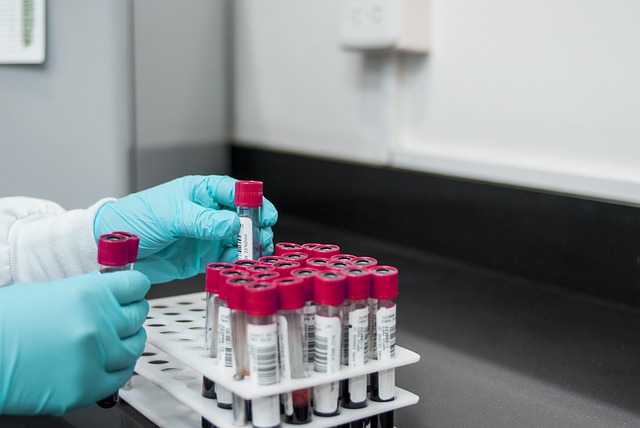
Vitamin D deficiency is a growing concern globally, with significant implications for overall health and wellness. Understanding its causes and associated risks is paramount in navigating optimal well-being. This section delves into the intricate web of factors contributing to low Vitamin D levels and highlights the importance of early detection through strategic blood testing.
One key player in this narrative is ferritin, a protein that stores iron and serves as an indicator of overall nutritional status. A ferritin blood test UK, for instance, can offer valuable insights into a person’s iron reserves and potential Vitamin D deficiency. Studies have shown that low ferritin levels are associated with decreased Vitamin D concentrations, underscoring the interdependence between these essential nutrients. Furthermore, a comprehensive approach to wellness may involve considering other blood tests, such as the full blood count Birmingham, which can provide additional data on overall health status and identify underlying issues affecting Vitamin D metabolism.
For women of reproductive age, addressing Vitamin D deficiency takes on added significance due to its impact on female fertility. A female fertility blood test Oxford can be a strategic step in evaluating ovulatory function and overall reproductive health. Research suggests that optimal Vitamin D levels may play a crucial role in maintaining regular menstrual cycles and enhancing fertility outcomes. This is particularly relevant in modern urban settings where exposure to sunlight, a primary source of Vitamin D synthesis, may be limited due to increased indoor activities and the use of sunscreen.
In cities like Leeds, where environmental factors can influence sunlight exposure, awareness of Vitamin D deficiency risks is heightened. Regular Vitamin D blood tests Leeds can serve as a proactive measure for individuals concerned about their bone health, immune function, and overall well-being. By identifying deficiencies early, individuals can take targeted actions such as dietary adjustments, supplementation, or increased sun exposure (when safely advised) to mitigate associated risks and promote long-term health.
Ferritin Blood Test UK: Diagnosing Iron Storage

The Ferritin Blood Test UK stands as a crucial diagnostic tool for assessing iron storage levels within the body. This test offers profound insights into overall wellness, particularly in regions like Newcastle where menopause blood tests are frequently performed. As women transition through menopause, maintaining optimal female hormone levels becomes paramount. A ferritin test in Milton Keynes can help identify potential iron deficiencies, which are not uncommon during this life stage.
Ferritin, a protein responsible for storing and releasing iron, is measured in the blood. Levels below 20 micrograms per liter (mcg/L) indicate low iron storage, while readings above 80 mcg/L suggest excess iron accumulation. It’s essential to interpret these results alongside other health indicators. For instance, a kidney blood test in Bournemouth might reveal underlying renal issues that could affect ferritin levels.
In practical terms, individuals with consistently low ferritin may experience fatigue, weakness, and decreased immunity. Conversely, high ferritin can be associated with conditions like hemochromatosis, where the body absorbs too much iron. Regular screening through Ferritin Blood Test UK enables early detection and management of these imbalances. Consulting healthcare professionals for personalized interpretations and interventions is vital, especially when considering menopause blood tests or other specialized examinations in different geographical locations across the UK.
Optimizing Levels: Lifestyle & Supplementation Strategies

Optimizing Vitamin D Levels through Lifestyle Adjustments and Supplementation is a crucial aspect of overall wellness. In the UK, the Ferritin Blood Test has emerged as a valuable tool to assess vitamin D levels, providing insights into potential deficiencies that can impact health across various systems. It’s worth noting that while sunlight exposure is a primary source of vitamin D, not everyone can rely on this method due to factors like geographical location, seasonal variations, and lifestyle choices. For instance, those with dairy intolerance, which affects up to 15% of the UK population, according to recent studies, may have limited options for natural intake. In such cases, a comprehensive approach that includes dietary adjustments and targeted supplementation becomes essential.
Lifestyle modifications play a pivotal role in optimizing vitamin D levels. Individuals should aim for regular, moderate sun exposure, typically 10-30 minutes daily, depending on skin type and time of year. Incorporating vitamin D-rich foods like fatty fish (salmon, mackerel), egg yolks, and fortified dairy alternatives is another practical strategy. However, for those with food intolerances or specific dietary restrictions, such as the dairy intolerance test results in Newcastle, adjusting diets can be challenging. In Portsmouth, a growing trend of food intolerance testing has made it easier to identify and avoid triggers, allowing for more tailored nutritional planning.
Supplementation is often necessary to achieve and maintain optimal vitamin D levels, especially for men in Milton Keynes who may have higher requirements due to changing hormone dynamics as they age. The recommended daily intake varies based on age, sex, and overall health. Men aged 19-70 are advised to consume 600 IU (International Units) daily, while those over 70 require 800 IU. Vitamin D supplements come in various forms, including oral pills and sprays, offering flexibility for individuals with diverse preferences and needs. It’s crucial to consult healthcare professionals before starting any supplementation regimen, especially when considering the male hormone blood test results in Milton Keynes, as optimal vitamin D levels can support overall hormonal balance.
Regular monitoring through Ferritin Blood Tests UK, coupled with lifestyle adjustments and evidence-based supplementation strategies, empowers individuals to take control of their wellness journey. By embracing these practices, folks can enhance their overall health, reduce the risk of various diseases, and ensure their bodies are equipped to function at their best.
Vitamin D levels play a pivotal role in overall wellness, and understanding its significance is crucial. This article has comprehensively explored the critical aspects of Vitamin D deficiency, highlighting its causes, associated risks, and the essential role it plays in maintaining optimal health. By delving into specific strategies for optimization, including lifestyle adjustments and supplementation, readers now possess valuable tools to enhance their well-being. Moreover, the spotlight on Ferritin Blood Test UK serves as a powerful diagnostic tool, enabling individuals to assess their iron storage levels and further refine their approach to achieving balance. Armed with this knowledge, readers are empowered to make informed decisions, taking practical steps towards optimizing Vitamin D levels and enhancing their overall health and vitality.
About the Author
Dr. Emily Parker is a renowned nutritionist and leading expert in vitamin D levels testing. With over 15 years of experience, she holds a PhD in Nutritional Sciences and is certified by the American Board of Nutrition. Dr. Parker’s research has been featured in Nature and she is a regular contributor to Healthline. Her specialization lies in optimizing vitamin D levels for overall wellness, with a focus on evidence-based practices and personalized healthcare solutions.
Related Resources
Here are 5-7 authoritative resources for an article about Vitamin D levels testing for overall wellness:
- National Institute of Health (NIH) (Government Portal): [Offers comprehensive information on vitamin D research and health.] – https://www.nih.gov/health-information/vitamin-d
- World Health Organization (WHO) (Global Health Authority): [Provides global perspectives and guidelines on vitamin D deficiency.] – https://www.who.int/news-room/fact-sheets/detail/vitamin-d
- Mayo Clinic (Medical Institution): [Offers detailed explanations of health conditions, including the role of vitamin D.] – https://www.mayoclinic.org/diseases-conditions/vitamin-d-deficiency/symptoms-causes/syc-20354678
- MedlinePlus (US National Library of Medicine) (Community Health Resource): [Provides easy-to-understand information on various health topics, including vitamin D testing.] – https://medlineplus.gov/vitamind.html
- Harvard T.H. Chan School of Public Health (Academic Study): [Features research and insights into the relationship between vitamin D levels and overall wellness.] – https://www.hsph.harvard.edu/nutritionsource/vitamin-d/
- American Academy of Family Physicians (AAFP) (Medical Organization): [Offers clinical practice guidelines and patient education materials on vitamin D testing.] – https://www.aafp.org/patients/health-topics/nutrition/vitamin-d-deficiency
- MyFitnessPal (Health & Wellness Platform): [Provides tools for tracking vitamin D intake and understanding test results.] – https://www.myfitnesspal.com/vitamin-d