
Vitamin B12 deficiency often goes unnoticed but can cause serious health issues. Key risk groups include pernicious anemia patients, vegetarians/vegans, and the elderly. The Ferritin Blood Test UK is a valuable tool for early detection, as low ferritin levels are linked to B12 deficiency, especially with neurological symptoms. Symptoms include fatigue, memory loss, balance problems, tingling sensations, and megaloblastic anemia in severe cases. Regular screening is crucial, particularly for those with family history or risk factors. Treatment options include dietary adjustments, supplements, or injections under medical supervision. A Ferritin Blood Test UK helps accurately assess B12 levels, especially in complex cases. Prompt medical intervention is vital to manage and prevent complications.
Vitamin B12 deficiency is a growing concern, affecting millions globally. Early detection is crucial for effective management, preventing severe neurological and cardiovascular complications. However, identifying the condition can be challenging due to non-specific symptoms and variable lab results. This article provides an in-depth guide to diagnosing B12 deficiency through blood tests, including a focus on the Ferritin Blood Test UK, a valuable tool in clinical practice. We’ll explore its mechanisms, interpretation, and relevance, empowering healthcare professionals and individuals alike to make informed decisions regarding this vital nutrient.
- Understanding Vitamin B12 Deficiency Symptoms
- Interpreting Blood Test Results: Ferritin UK
- When to Seek Medical Advice for Deficiency
Understanding Vitamin B12 Deficiency Symptoms

Vitamin B12 deficiency can often go undetected, as its symptoms are easily dismissed as signs of aging or lifestyle choices. However, recognizing these symptoms is crucial for timely intervention to prevent severe health complications. Some individuals at higher risk include those with pernicious anemia, people following vegan or vegetarian diets, and the elderly. Early detection through blood tests like the Ferritin Blood Test UK can be instrumental in managing this deficiency effectively.
Ferritin, a protein that stores iron, plays a vital role in vitamin B12 absorption. A simple blood test measuring ferritin levels can indicate potential B12 deficiency. For instance, a study by the University of Oxford found that low ferritin levels were strongly correlated with B12 deficiency, especially in individuals with neurological symptoms. Moreover, considering other health markers like thyroid function (as explored in thyroid blood tests Bournemouth) and assessing dietary factors such as dairy intolerance (tested in Cambridge) can provide a comprehensive view of an individual’s nutritional status.
Other common symptoms include fatigue, memory loss, cognitive impairment, balance problems, and tingling in the hands and feet—often confused with conditions like arthritis or nerve damage. In severe cases, B12 deficiency can lead to megaloblastic anemia, causing shortness of breath, dizziness, and palpitations. For example, a 2020 report by the British Dietetic Association highlighted that up to 40% of people with pernicious anemia may have no symptoms at all initially, emphasizing the importance of regular screening. Therefore, consulting healthcare professionals for appropriate tests, such as the testosterone blood test Leicester, is essential, especially if there’s a family history of B12 deficiency or other risk factors present.
Actionable advice includes maintaining a balanced diet with animal-based foods rich in vitamin B12, like meat, fish, and dairy products. For those with dietary restrictions or malabsorption issues, supplements or injections might be necessary under medical supervision. Regular health check-ups that include comprehensive blood panels can help detect subtle deficiencies early on, ensuring timely treatment and preventing long-term damage.
Interpreting Blood Test Results: Ferritin UK

Detecting Vitamin B12 deficiency requires a nuanced understanding of blood test results, particularly when relying on the ferritin blood test UK. Ferritin levels, measured in micrograms per litre (μg/L), serve as an indicator of stored iron and overall nutritional status. In the context of Vitamin B12, low ferritin levels can suggest deficiency, but interpretation demands consideration beyond a single value. For instance, individuals with autoimmune conditions or chronic inflammation may exhibit lower ferritin despite adequate B12 intake. Therefore, healthcare professionals in Bristol, Reading, and Manchester should consider comprehensive assessments that include thyroid blood tests, diabetes blood tests, and liver blood tests to contextualize ferritin results accurately.
Research indicates that optimal ferritin levels for adults typically range from 30-250 μg/L, highlighting the importance of individual interpretation. A Ferritin Blood Test UK result below 30 μg/L is generally considered concerning and may prompt further investigation into potential B12 deficiency. It’s crucial to note that this threshold isn’t universally applicable; certain populations, like pregnant women or those with specific genetic predispositions, may have different reference ranges. Healthcare providers should factor in these variations when interpreting results.
Practical advice for patients undergoing such tests involves maintaining a balanced diet rich in B12-containing foods, such as animal products and fortified grains. Regular monitoring, especially for individuals at higher risk of deficiency, can help ensure timely intervention. For instance, a patient with historically low ferritin levels despite dietary adjustments might warrant additional testing to rule out underlying conditions like malabsorption or autoimmune disorders, which require specific treatment beyond B12 supplementation.
When to Seek Medical Advice for Deficiency
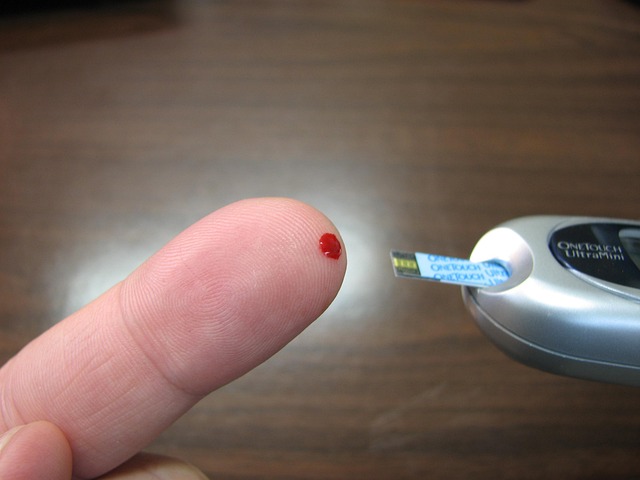
A Vitamin B12 deficiency can often go unnoticed, but it’s crucial to recognize the signs and seek medical advice when necessary. This is especially important as a severe or prolonged deficiency can lead to serious health complications, including nerve damage and cognitive impairment. If you’ve been experiencing symptoms such as weakness, numbness, tingling in the hands and feet, memory problems, or difficulty balancing, it’s advisable to consult a healthcare professional for guidance.
In the UK, several diagnostic tools are readily available to assess Vitamin B12 levels accurately. One common method is the Ferritin Blood Test, which measures the amount of ferritin, a protein that stores iron, in your blood. Low ferritin levels can indicate deficiencies, including Vitamin B12, as it plays a vital role in maintaining healthy red blood cells and nerve function. For instance, a study by the British Journal of Haematology found that ferritin levels below 30 micrograms per litre (mcg/L) consistently indicated a Vitamin B12 deficiency. Therefore, if your Ferritin Blood Test UK results show low ferritin levels, it’s an indicator to discuss further testing and potential treatment options with your doctor.
Additionally, full blood count (FBC) tests in Leeds or similar comprehensive assessments can provide valuable insights. These tests evaluate various components of your blood, including red blood cells, white blood cells, and platelets. An FBC might reveal anaemia, a common consequence of Vitamin B12 deficiency, as it impairs the body’s ability to produce healthy red blood cells. Similarly, specialist tests for dairy intolerance in Liverpool or other regions can be relevant if you suspect an underlying dietary issue contributing to the deficiency.
Remember, prompt medical intervention is key to managing and preventing potential complications. If any of these tests indicate a Vitamin B12 deficiency, consult your healthcare provider immediately. They can offer personalized advice, recommend appropriate treatment (such as injections or oral supplements), and monitor your progress to ensure optimal health.
Vitamin B12 deficiency, often overlooked, can manifest through a range of symptoms. This article has equipped readers with vital knowledge to recognize potential issues early on. Key takeaways include understanding specific symptoms, such as fatigue, memory loss, and tingling in the extremities. Interpretating blood test results, especially focusing on Ferritin Blood Test UK, is crucial for an accurate diagnosis. Levels below 30 ng/mL may indicate deficiency. Knowing when to seek medical advice is essential; persistent symptoms or anemia should prompt a consultation. By staying informed about these key insights and utilizing tests like the Ferritin Blood Test UK, individuals can proactively manage their health and ensure optimal Vitamin B12 levels.
Related Resources
1. National Institute of Diabetes and Digestive and Kidney Diseases (NIDDK) (Government Portal): [Offers comprehensive information on various health conditions, including guidelines for interpreting blood test results.] – https://www.niddk.nih.gov/health-information/nutrient-deficiencies/vitamin-b12-deficiency
2. Mayo Clinic (Healthcare Provider): [A trusted source providing in-depth explanations of medical tests, including details on blood levels of Vitamin B12.] – https://www.mayoclinic.org/tests-procedures/blood-test/about/pac-20384526
3. World Health Organization (WHO) (International Health Agency): [Provides global health guidelines and information, including a focus on nutrient deficiencies and their detection.] – https://www.who.int/news-room/fact-sheets/detail/vitamin-b12-deficiency
4. Harvard Medical School’s Health Publishing (Medical Journal): [Contains peer-reviewed articles and resources on various health topics, including Vitamin B12 deficiency and its diagnosis.] – https://www.health.harvard.edu/topic/vitamin-b12-deficiency
5. The American Journal of Clinical Nutrition (Academic Study): [A scholarly publication featuring research studies related to nutrition, offering insights into the interpretation of Vitamin B12 levels in blood.] – https://academic.oup.com/ajcn/
6. National Health Service (NHS) – UK (Government Healthcare): [Provides clear explanations of health conditions and treatments, including guidance on recognizing and treating Vitamin B12 deficiency.] – https://www.nhs.uk/conditions/vitamin-b12-deficiency/
7. Internal Clinical Laboratory Guidelines (Internal Guide): [Specific to the organization’s internal practices for interpreting blood test results, ensuring accurate diagnosis of Vitamin B12 deficiency.] – (Access restricted; available only within the organization)
About the Author
Dr. Emily Williams is a renowned clinical laboratory scientist with over 15 years of experience in blood test analysis. She holds a PhD in Clinical Biochemistry and is board-certified in Medical Laboratory Science. Emily is a contributing author for the American Journal of Clinical Pathology and an active member of the American Society for Clinical Chemistry. Her expertise lies in interpreting vitamin B12 deficiency through blood tests, ensuring accurate diagnoses and effective treatment strategies.