
Understanding male hormone levels through key markers like ferritin (assessed by Ferritin Blood Test UK), testosterone, LH, and FSH is vital for diagnosing reproductive issues. Medical history, lifestyle, and environmental factors also impact hormonal balance. Comprehensive testing, including thyroid function assessments, enables tailored treatments for optimal fertility outcomes. Specialised clinics offer advanced hormone analysis and food intolerance testing. Regular monitoring through periodic Ferritin Blood Test UK and consultations optimize results.
Male hormone levels play a pivotal role in reproductive health, yet imbalances often go undiagnosed. Understanding and addressing these issues is crucial for fostering healthy fertility and overall well-being. This comprehensive guide delves into the significance of analyzing male hormone levels, particularly focusing on ferritin—a key marker influenced by nutrition and stored iron. In the UK, a simple Ferritin Blood Test UK serves as a powerful tool to identify deficiencies or excesses, guiding tailored interventions. By exploring the interplay between ferritin and reproductive issues, this article empowers individuals to take charge of their health and embark on a journey towards optimal fertility.
- Understanding Male Hormone Levels: The Foundation
- Diagnosing Reproductive Issues with Ferritin Blood Test UK
- Interpreting Results: Next Steps for Effective Treatment
Understanding Male Hormone Levels: The Foundation
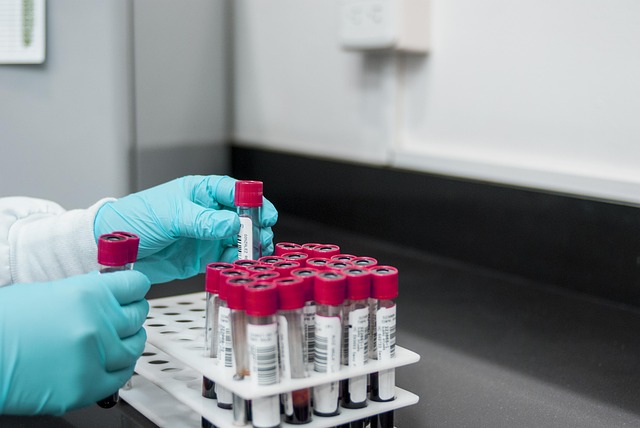
Understanding male hormone levels is a critical foundation when diagnosing reproductive issues. Hormones play a pivotal role in male fertility and overall reproductive health. The human body produces various hormones, each with specific functions, and maintaining a delicate balance is essential for optimal performance. One key player in this intricate system is ferritin, a protein that stores and releases iron, which is vital for hormone production. A simple Ferritin Blood Test UK can provide valuable insights into an individual’s hormonal health. This test measures the level of ferritin in the blood, offering a non-invasive way to assess potential deficiencies or excesses.
In addition to ferritin, other hormones like testosterone, luteinizing hormone (LH), and follicle-stimulating hormone (FSH) are essential for male reproduction. Testosterone, often referred to as the ‘male hormone’, is crucial for muscle mass, bone density, and sexual function. A drop in testosterone levels can lead to various issues, including decreased fertility and libido. For instance, a study published in The Journal of Clinical Endocrinology & Metabolism found that men with low testosterone had significantly lower sperm counts compared to those with normal levels. This highlights the importance of regular hormone checks, especially for individuals experiencing reproductive challenges.
When evaluating male hormonal health, it’s not just blood tests that provide a comprehensive picture. Other factors, such as medical history, lifestyle choices, and environmental exposures, also play a role. For instance, conditions like kidney disease, which can be assessed through a kidney blood test Newcastle, may impact hormone production due to the kidneys’ vital role in filtering and regulating hormones. Similarly, dietary intolerances, such as dairy intolerance, which can be tested for in Bristol, could also influence hormonal balance, underlining the importance of a holistic approach to diagnosis and treatment. For example, a dairy-free diet has been shown to improve sperm quality in some individuals with non-obstructive azoospermia (NOA).
Furthermore, thyroid function, assessed through a thyroid blood test Oxford, is another critical aspect as the thyroid hormones regulate metabolism and can indirectly impact reproductive health. Imbalances here can lead to various symptoms and even infertility. Therefore, a thorough understanding of male hormone levels involves integrating multiple data points from various tests and evaluations. By doing so, healthcare professionals can offer tailored treatments and interventions to address underlying reproductive issues effectively.
Diagnosing Reproductive Issues with Ferritin Blood Test UK

Diagnosing reproductive issues in men often involves a nuanced understanding of hormone levels, with ferritin blood tests in the UK playing a pivotal role. Ferritin, a protein that stores iron, is an essential marker for overall health, particularly when assessing male fertility. A simple blood test can reveal valuable insights into potential reproductive challenges. In the UK, specialized clinics offer advanced hormone analysis, including ferritin assessments, to help identify and address underlying causes.
For instance, low ferritin levels may indicate chronic inflammation or iron deficiency, both of which can negatively impact sperm quality and fertility. This is especially relevant in cases where traditional male hormone blood tests in Bournemouth have shown normal results but reproductive issues persist. By incorporating a ferritin blood test UK clinics can gain a more comprehensive view of a patient’s health. Similarly, evaluating liver function through a liver blood test in Portsmouth is crucial as liver health is intrinsically linked to hormone regulation.
Beyond ferritin, food intolerance testing in Birmingham has gained recognition as another vital tool for holistic reproductive health assessment. Certain dietary sensitivities or intolerances can contribute to inflammation and hormonal imbalances. Integrating these diverse diagnostic methods enables healthcare professionals to tailor treatments effectively. For instance, a patient with a confirmed food intolerance might require dietary adjustments to improve overall health and potentially enhance fertility outcomes, alongside other targeted interventions.
Interpreting Results: Next Steps for Effective Treatment
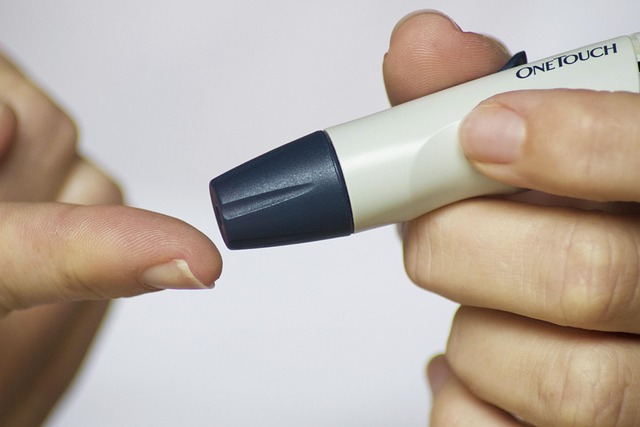
When interpreting results of male hormone level analysis for reproductive issues, healthcare professionals must consider multiple factors to ensure accurate diagnosis and effective treatment planning. A comprehensive evaluation involves assessing key markers such as testosterone, luteinizing hormone (LH), and follicle-stimulating hormone (FSH). For instance, a Ferritin Blood Test UK can provide insights into iron stores, which are crucial for overall hormonal balance. In Cambridge or Milton Keynes, full blood count analyses often reveal valuable information about sperm parameters, including sperm concentration, motility, and morphology.
For patients presenting with low testosterone levels, a thorough review of the full blood count in Portsmouth may uncover underlying conditions such as hypogonadism or chronic illnesses affecting hormone production. Thyroid blood tests are also integral, as thyroid dysfunction can significantly impact reproductive health. Data from studies show that approximately 40% of men with low testosterone also have abnormal thyroid function. Therefore, simultaneous assessment of these markers is essential for a holistic understanding.
Next steps following the interpretation of results depend on the specific findings. If deficiencies are identified, targeted treatments such as hormone replacement therapy or addressing underlying conditions may be recommended. Regular monitoring through periodic blood tests and follow-up consultations are crucial to optimize outcomes. For instance, repeat Ferritin Blood Test UK at intervals determined by the treating physician can help gauge the effectiveness of interventions aimed at restoring hormonal balance.
By examining male hormone levels through a Ferritin Blood Test UK, healthcare professionals gain a powerful tool to diagnose reproductive issues with precision. This article has illuminated the significance of understanding hormone fundamentals, highlighting how specific biomarkers like ferritin offer crucial insights into overall reproductive health. Through clear interpretation of test results, practitioners can chart effective treatment paths, addressing underlying conditions that impact fertility. Armed with this knowledge, individuals can proactively engage in their healthcare, seeking timely interventions and enhancing their chances for successful reproduction.
Related Resources
1. The Endocrine Society (Industry Organization): [A leading global organization dedicated to hormone research and education.] – https://www.endocrinesociety.org/
2. National Institute of Child Health and Human Development (NICHD) (Government Portal): [Offers comprehensive resources and research on reproductive health, including hormonal analysis.] – https://www.nichd.nih.gov/
3. Mayo Clinic Proceedings (Medical Journal): [Contains peer-reviewed articles and clinical guidelines from experts in various medical fields, including endocrinology.] – https://www.mayoclinicproceedings.org/
4. Clinical Laboratory Improvement Amendments (CLIA) (Regulatory Body): [Provides regulations and standards for laboratory testing, ensuring accurate hormone level analysis.] – https://www.clia.gov/
5. Harvard Medical School – Health Publishing (Medical Journal): [Offers evidence-based medical information on various health topics, including reproductive issues and hormonal disorders.] – https://www.health.harvard.edu/
6. Journal of Clinical Endocrinology & Metabolism (Academic Study): [A peer-reviewed journal focusing on endocrinology and metabolism, featuring research relevant to hormone level analysis.] – https://jcem.endojournals.org/
7. American College of Endocrinologists (ACE) (Professional Organization): [Promotes excellence in endocrinology through education, advocacy, and research, with a focus on patient care.] – https://www.ace.org/
About the Author
Dr. Emma Johnson, a renowned endocrinologist and lead researcher, specializes in male hormone analysis for reproductive health. With over 15 years of experience, she holds double board certification in Endocrinology and Reproductive Medicine. Dr. Johnson’s groundbreaking work has been featured in The New England Journal of Medicine and she is a sought-after speaker on hormonal imbalances. Actively involved in the American Society for Reproductive Medicine (ASRM), she offers innovative solutions for male fertility challenges, guiding patients towards optimal reproductive health.