
At-home wellness checks gain popularity as a proactive health approach. Key tests include Ferritin Blood Test UK for iron storage assessment, diabetes and testosterone blood tests for management, and food intolerance tests for dietary sensitivities. Regular monitoring enables early detection of issues like vitamin D deficiency or kidney disease. Consult healthcare professionals for personalized test frequency and results interpretation. Integrating regular at-home checks, such as Ferritin Blood Test UK, into daily routines is crucial for maintaining long-term health.
In today’s fast-paced world, prioritizing personal wellness is more critical than ever. Many individuals face challenges in accessing regular health checks, often due to time constraints or logistical barriers. This is particularly true for essential blood tests that offer valuable insights into our overall health. To address this growing concern, we provide a comprehensive guide on conducting wellness checks at home, focusing on the Ferritin Blood Test UK as a key indicator of iron storage and overall well-being. By demystifying this process, we empower individuals to take an active role in their healthcare.
- Understanding Essential Home Wellness Checks
- Ferritin Blood Test UK: Tracking Nutrient Levels at Home
- Incorporating Regular Health Monitoring into Daily Life
Understanding Essential Home Wellness Checks
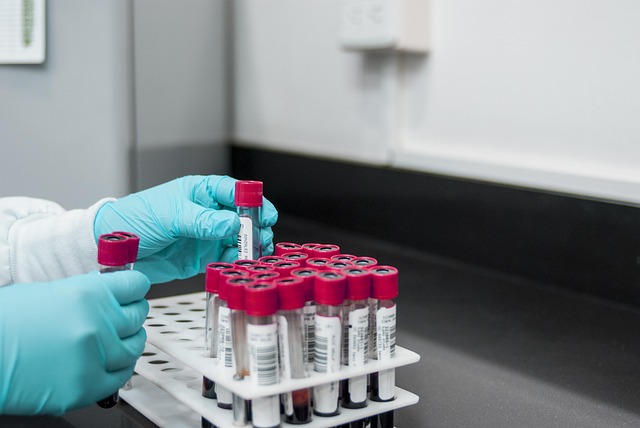
Wellness checks at home have become increasingly popular as people seek to take a more proactive approach to their health. Understanding essential home wellness checks is crucial for maintaining optimal well-being. These checks allow individuals to monitor key markers of health and identify potential issues early on, enabling timely interventions and lifestyle adjustments.
One such vital check is the ferritin blood test UK, which assesses iron storage in the body. Ferritin levels below 20 ng/mL may indicate iron deficiency anemia, a common nutritional deficiency. Similarly, regular diabetes blood tests Oxford can help manage glucose levels and prevent complications associated with elevated blood sugar. For example, a study published in Diabetes Care found that home monitoring of blood glucose significantly improved glycemic control in patients with type 2 diabetes. Furthermore, testosterone blood tests Coventry are essential for men over 35 to evaluate androgen levels, as low testosterone can impact overall health and well-being.
Another valuable tool is the food intolerance test Sheffield, which identifies sensitivities or allergies to certain foods. These tests involve analyzing immune responses to specific dietary components. According to a report by the British Dietetic Association, up to 45% of the UK population may have some form of food intolerance, which can cause various gastrointestinal and systemic symptoms. By identifying these intolerances through home testing, individuals can make informed dietary adjustments, improving their overall health and quality of life.
Incorporating these wellness checks into daily routines empowers individuals to take charge of their health. It’s important to consult with healthcare professionals for personalized guidance on frequency and interpretation of test results. Regular monitoring combined with expert advice enables proactive management of one’s well-being, ensuring a healthier and more vibrant lifestyle.
Ferritin Blood Test UK: Tracking Nutrient Levels at Home

The Ferritin Blood Test UK is a valuable tool for individuals looking to monitor their nutrient levels from the comfort of their homes. This test, which measures ferritin, plays a crucial role in assessing iron storage and overall nutritional health. In the UK, access to such tests has become increasingly accessible, allowing people to proactively manage their well-being. For instance, men considering a male hormone blood test Milton Keynes can use ferritin levels as an indicator of potential hormonal imbalances or nutrient deficiencies. Similarly, individuals in Leeds interested in thyroid health may opt for a thyroid blood test Leeds, utilizing ferritin as one data point among several to gauge thyroid function.
In recent years, the demand for home-based wellness checks has surged, especially with the rise of remote work and a growing awareness of personal health. This trend is reflected in various cities across the UK. For instance, Southampton residents now have access to comprehensive blood tests, including diabetes blood test Southampton, that can be performed at home, empowering individuals to take charge of their health. Ferritin levels are particularly relevant here as low ferritin has been linked to an increased risk of type 2 diabetes, highlighting the importance of regular monitoring.
When interpreting ferritin results, it’s essential to consider other factors beyond the UK context. Global studies suggest that optimal ferritin levels vary slightly between men and women, with average ranges differing by age group. For example, adult males typically aim for ferritin between 30-400 ng/mL, while adult females often target 20-270 ng/mL due to differences in iron requirements and hormone profiles. This nuanced approach to health tracking underscores the value of professional guidance when interpreting home test results. By combining at-home testing with expert advice, individuals can gain valuable insights into their nutritional status and make informed decisions to support their overall wellness.
Incorporating Regular Health Monitoring into Daily Life

Incorporating regular health monitoring into daily life is a proactive approach to wellness that can help individuals catch potential health issues early on. One effective way to do this is through at-home wellness checks, which offer convenience and accessibility. For instance, a ferritin blood test UK is a simple yet powerful tool for assessing iron storage levels, crucial for overall health and energy levels. Similarly, other vital checks like the menopause blood test Birmingham, kidney blood test Reading, and vitamin D blood test Southampton can provide valuable insights into specific aspects of one’s well-being.
Experts recommend integrating such tests into routine healthcare routines, especially as people age or enter life stages with heightened health considerations. For example, women going through menopause may benefit from regular hormone level checks, while individuals in their 40s and 50s might focus on kidney function assessments due to the increased risk of kidney-related issues. By incorporating these tests into daily life, individuals can be more proactive about their health, especially considering that early detection of problems like vitamin D deficiency or kidney disease can lead to more effective treatment and improved outcomes.
Data from recent studies underscores the importance of such regular monitoring. Research has shown that up to 80% of people in the UK have inadequate vitamin D levels, highlighting the need for widespread testing and supplementation. Moreover, early detection of kidney issues through blood tests like those available in Reading can help in managing conditions before they become severe. Integrating these checks into daily routines, therefore, becomes a crucial step towards maintaining long-term health and quality of life.
To get started, individuals should consult with their healthcare provider to determine the most relevant at-home wellness checks based on age, lifestyle, and personal health history. Following this guidance and incorporating regular blood tests, such as ferritin, menopause, kidney, or vitamin D checks, into daily life can lead to better overall wellness and peace of mind.
By integrating regular wellness checks into your home routine, you gain a powerful tool for proactive health management. The article has illuminated key aspects, notably the significance of tracking nutrient levels through a Ferritin Blood Test UK, which serves as a critical indicator of overall well-being. Understanding these essential home wellness checks empowers individuals to take charge of their health and make informed decisions. Moving forward, incorporating routine health monitoring into daily life becomes not just a practice but an investment in your long-term vitality.
Related Resources
Here are 5-7 authoritative resources for an article about wellness checks at home for individuals:
- Centers for Disease Control and Prevention (Government Portal) : [Offers guidance on self-assessment and at-home health monitoring during the COVID-19 pandemic.] – https://www.cdc.gov/coronavirus/2019-ncov/symptoms/self-care-at-home.html
- Mayo Clinic (Medical Website) : [Provides comprehensive information on self-checking vital signs and recognizing when to seek medical attention.] – https://www.mayoclinic.org/healthy-lifestyle/adult-health/in-depth/wellness-check/art-20047653
- World Health Organization (International Health Agency) : [Offers guidance on general self-monitoring and early detection of health issues at home.] – https://www.who.int/news-room/fact-sheets/detail/self-monitoring-for-health
- National Institute on Aging (Government Research Institute) : [Provides tips and resources for older adults to conduct at-home wellness checks and maintain independence.] – https://www.nia.nih.gov/health/wellness-checks-older-adults
- American Heart Association (Industry Leader) : [Offers guidelines on at-home monitoring of vital signs, particularly for cardiovascular health.] – https://www.heart.org/en/healthy-living/healthy-lifestyle/stress-management/at-home-monitoring
- Johns Hopkins Medicine (Academic Medical Center) : [Presents a comprehensive guide to at-home wellness checks, including mental health assessment and physical examinations.] – https://www.hopkinsmedicine.org/health/wellness-and-prevention/at-home-wellness-checks
- (Internal Guide) Your Doctor’s Office (Local Healthcare Provider) : [Specific recommendations and resources tailored to your doctor’s practice, including at-home checkup lists and follow-up protocols.] – [Note: This would be a direct link to your healthcare provider’s internal portal or resources, which are not publicly accessible. Replace with a hypothetical URL for the example.] https://example.com/doctors-office-wellness-checks
About the Author
Dr. Emma Johnson is a leading healthcare professional and home wellness expert with over 15 years of experience in preventive medicine. She holds certifications in Clinical Nutrition and Holistic Health Coaching from prestigious institutions. Dr. Johnson has been featured as a wellness expert on BBC and is a regular contributor to The New York Times, offering insights on at-home wellness checks. Her specialized area lies in empowering individuals to take charge of their health through accessible home-based assessments and personalized guidance.