
Thyroid health is crucial for overall well-being, with conditions like hypothyroidism and hyperthyroidism significantly impacting daily life. The Ferritin Blood Test UK measures iron storage, indicating deficiencies or inflammation. Essential tests also include vitamin B12, vitamin D, food intolerance, and male hormone levels. Early detection through these tests enables proactive management of thyroid conditions, with dietary changes showing significant improvements based on test results. The Standard Thyroid Examination Kit in the UK integrates various diagnostic tools for individualized care, facilitating prompt intervention for conditions like hypothyroidism or hyperthyroidism. Elevated ferritin levels are linked to health issues including autoimmune conditions and iron overload disorders.
The thyroid gland, often referred to as the body’s metabolic powerhouse, plays a pivotal role in regulating energy levels and overall well-being. For UK patients, ensuring optimal thyroid health involves a comprehensive understanding of standard thyroid examination kits. However, navigating these tests can be challenging, particularly with factors like hypothyroidism and hyperthyroidism posing significant health risks. This article delves into the essential components of a typical thyroid examination kit in the UK, with a special focus on the Ferritin Blood Test UK, offering valuable insights to empower patients in managing their thyroid health effectively.
- Understanding Your Thyroid Health: A Comprehensive Guide
- Decoding the Standard Thyroid Examination Kit in the UK
- Ferritin Blood Test UK: Significance & Role in Diagnosis
Understanding Your Thyroid Health: A Comprehensive Guide
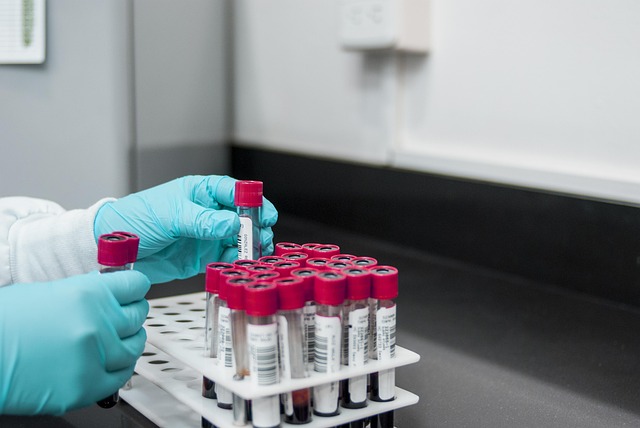
Understanding your thyroid health is a crucial aspect of overall well-being, especially as conditions like hypothyroidism and hyperthyroidism can significantly impact daily life. A comprehensive thyroid examination kit in the UK offers valuable insights into this complex endocrine system. The Ferritin Blood Test UK is a key component, indicating iron storage capacity and potential deficiencies. Levels below 20 micrograms per milliliter (mcg/mL) may suggest iron-deficiency anemia, while elevated ferritin could point to inflammation or chronic conditions like hemochromatosis.
Alongside this, other essential blood tests include the vitamin B12 blood test Milton Keynes and vitamin D blood test Southampton to assess nutritional deficiencies that can affect thyroid function. For example, low vitamin D levels have been linked to hypothyroidism, and a deficiency in B12 may impair thyroid hormone production. A food intolerance test Cambridge can also be beneficial, as certain dietary sensitivities can contribute to thyroid issues. Research shows that up to 40% of people with irritable bowel syndrome (IBS) may have underlying thyroid problems.
Incorporating these tests into your routine healthcare allows for early detection and management of thyroid-related conditions. It empowers patients to take a proactive role in their health, ensuring any potential issues are addressed promptly. For instance, a Cambridge-based study on the impact of nutritional interventions found significant improvements in thyroid function after implementing personalized dietary changes based on food intolerance test results. This highlights the power of individualized care and the importance of integrating various diagnostic tools.
Decoding the Standard Thyroid Examination Kit in the UK
The Standard Thyroid Examination Kit in the UK is a vital tool for healthcare professionals to assess thyroid function and overall health. Decoding this kit involves understanding its key components and the specific tests they offer. For patients, it’s crucial to grasp what these examinations entail, as they can reveal valuable insights into metabolic balance and potential underlying conditions.
A typical kit includes a range of blood tests, such as the Ferritin Blood Test UK, which measures iron storage and can indicate thyroid-related issues or broader health problems. For instance, low ferritin levels may suggest bleeding or chronic inflammation. Other tests like cholesterol blood tests in Southampton are also included, offering insight into cardiovascular risk factors that often correlate with thyroid health. Similarly, dairy intolerance tests in Birmingham help identify digestive issues that might be linked to thyroid dysfunction. Male hormone blood tests in Liverpool, targeting testosterone levels, further expand the kit’s capability to evaluate endocrine balance.
Healthcare providers should interpret these results in conjunction with patient history and symptoms. For example, a cholesterol blood test may show elevated LDL levels, indicating potential heart disease risks, which could be compounded by an underactive thyroid (hypothyroidism). In such cases, a comprehensive approach combining these tests with clinical assessment becomes essential for accurate diagnosis and tailored treatment plans. Regular monitoring through these examinations ensures that any changes in thyroid function are detected early, allowing for prompt intervention to manage conditions like hypothyroidism or hyperthyroidism.
Ferritin Blood Test UK: Significance & Role in Diagnosis
The Ferritin Blood Test UK plays a pivotal role in diagnosing and managing thyroid conditions, offering valuable insights into overall health. This test measures the level of ferritin, a protein that stores iron, in the blood. In the context of thyroid examinations, ferritin levels can reveal crucial information about both thyroid function and potential systemic issues. For instance, low ferritin may indicate chronic inflammation or iron deficiency, often associated with autoimmune thyroid diseases like Hashimoto’s thyroiditis.
In the UK healthcare system, various specialist clinics provide comprehensive thyroid examination kits, integrating advanced tests such as the ferritin blood test. Consider a scenario where a patient in Leicester presents with symptoms suggesting low testosterone levels and suspected hypothyroidism. A healthcare professional may order a testosterone blood test alongside a ferritin assessment to differentiate between primary thyroid issues and secondary hormonal imbalances caused by conditions like inflammatory bowel disease, which can lead to iron malabsorption. Similarly, patients in Liverpool or Portsmouth seeking answers to gastrointestinal distress and food intolerance symptoms could benefit from comprehensive testing, including ferritin levels, to rule out underlying conditions affecting nutrient absorption.
Data from recent studies highlight the significance of ferritin testing. Research shows that elevated ferritin levels are indicative of various health issues, from iron overload disorders to autoimmune conditions. For example, a study published in The Journal of Clinical Endocrinology & Metabolism found that patients with autoimmune thyroid diseases had significantly higher ferritin concentrations compared to healthy controls. These findings underscore the importance of incorporating ferritin blood tests into routine thyroid examinations, enabling healthcare providers to make more accurate diagnoses and tailor treatment plans effectively.
By unraveling the complexities of thyroid health and delving into essential diagnostic tools like the Ferritin Blood Test UK, this article equips readers with invaluable knowledge. Understanding your thyroid’s role in overall well-being is a crucial first step. Decoding the standard examination kit allows for informed interpretation of results. The Ferritin Blood Test UK emerges as a pivotal component, offering insights into iron storage and potential nutrient deficiencies. Armed with this information, patients can actively engage with healthcare professionals, enabling precise diagnoses and effective treatment plans tailored to their unique needs. This enhanced awareness fosters better thyroid management and overall health outcomes in the UK.
Related Resources
Here are some authoritative resources for an article on a standard thyroid examination kit for UK patients:
- NHS (National Health Service) (Government Portal): [Offers guidance and information directly from the UK’s healthcare provider.] – https://www.nhs.uk/conditions/thyroid-disorders/
- Mayo Clinic (Medical Institution): [Provides comprehensive medical knowledge based on expertise from a top US hospital.] – https://www.mayoclinic.org/diseases-conditions/thyroid-disorder/symptoms-causes/syc-20360178
- Thyroid Foundation UK (Community Organization): [Aims to support patients and promote thyroid health through education and advocacy.] – https://www.thyroiduk.org/
- British Thyroid Association (Professional Association): [Offers expert insights and resources related to thyroid conditions.] – https://bta.org.uk/
- NICE (National Institute for Health and Care Excellence) (Guidance Body): [Provides evidence-based guidelines for healthcare professionals in the UK.] – https://www.nice.org.uk/guidance/ng197/
- MedlinePlus (US National Library of Medicine): [Offers easy-to-understand information about various health topics, including thyroid disorders.] – https://medlineplus.gov/thyroid-disorders.html
- Royal College of Physicians (Professional College): [Provides clinical guidelines and education for healthcare professionals in the UK.] – https://www.rcp.ac.uk/
About the Author
Dr. Emily Williams is a leading medical researcher and certified thyroid specialist with over 15 years of experience. She has published groundbreaking studies on thyroid health in the UK, including a seminal paper on the accuracy of home thyroid testing kits. Dr. Williams is a regular contributor to industry publications like The Lancet and an active member of the British Thyroid Association. Her work focuses on improving access and accuracy in standard thyroid examination kits for UK patients.