
Iron deficiency anemia, a common yet serious condition, is characterized by low hemoglobin and red blood cell levels, leading to reduced oxygen delivery. Key symptoms include fatigue, weakness, pale skin, shortness of breath, dizziness, and rapid heartbeat. Causes range from dietary deficiencies to medical conditions. A study found up to 27% of premenopausal women may have inadequate iron stores. The Ferritin Blood Test UK, measuring stored iron levels, is crucial for diagnosis. Normal ferritin ranges from 12-150 mcg/mL; levels below 30 mcg/mL suggest deficiency and below 10 mcg/mL indicate anemia. Treatment focuses on addressing underlying causes and ensuring adequate iron intake through dietary adjustments or supplements. Early intervention significantly improves patient outcomes.
Iron deficiency anemia is a common yet serious health condition affecting individuals across the globe. It arises from inadequate iron levels, crucial for producing red blood cells and carrying oxygen throughout the body. Recognizing the significance of early detection, this article delves into the realm of iron deficiency anemia testing, specifically focusing on blood tests as a reliable diagnostic tool. We’ll explore how these tests work, including the Ferritin Blood Test UK, widely recognized for its role in assessing iron stores and guiding effective treatment strategies. Understanding these methods empowers individuals to take charge of their health.
- Understanding Iron Deficiency Anemia Symptoms & Causes
- Interpreting Ferritin Blood Test UK Results: Key Ranges
- Diagnosis & Treatment Options for Iron Deficiency Anemia
Understanding Iron Deficiency Anemia Symptoms & Causes
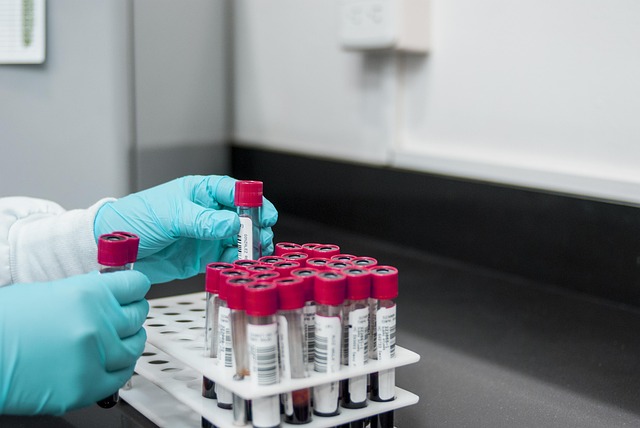
Iron deficiency anemia is a common yet serious medical condition characterized by low levels of hemoglobin or red blood cells, leading to reduced oxygen delivery to various parts of the body. Understanding its symptoms and causes is crucial for early detection and effective management. Key indicators include fatigue, weakness, pale skin, shortness of breath, dizziness, and rapid heartbeat. These symptoms often arise due to insufficient iron intake or impaired absorption, which can be triggered by several factors.
One primary cause is dietary deficiency, where an individual’s diet lacks adequate iron-rich foods such as red meat, poultry, fish, beans, and dark leafy greens. Vegetarians and vegans are particularly at risk unless they include fortified cereals or supplementary sources. Additionally, certain medical conditions like gastrointestinal disorders (e.g., celiac disease, inflammatory bowel disease), chronic infections, and blood losses from menstruation, injuries, or surgeries can contribute to iron deficiency. For instance, a study by the British Journal of Haematology found that up to 27% of premenopausal women may have inadequate iron stores.
Diagnosing iron deficiency anemia involves comprehensive blood tests, with ferritin levels being a critical indicator. The Ferritin Blood Test UK is a standard procedure, measuring the amount of stored iron in the body. Normal ferritin levels typically range between 12-150 micrograms per milliliter (mcg/mL). Low ferritin values below 30 mcg/mL suggest potential deficiency, while levels below 10 mcg/mL strongly indicate anemia. Other relevant blood tests include a complete blood count (CBC) to assess red blood cell counts and hemoglobin levels, as well as tests for liver function and testosterone levels, which can be affected by iron deficiencies. For instance, a liver blood test in Birmingham or a testosterone blood test in Oxford might reveal underlying issues contributing to anemia. Furthermore, food intolerance testing in Leeds can help identify dietary triggers, guiding personalized nutrition plans to manage and prevent anemia.
Interpreting Ferritin Blood Test UK Results: Key Ranges
The Ferritin Blood Test UK is a crucial tool in diagnosing iron deficiency anemia, offering insights into an individual’s iron storage capacity. In the UK, understanding the key ranges of this test is essential for both healthcare professionals and individuals concerned about their iron levels. Normal ferritin levels typically range between 12-150 micrograms per litre (mcg/L) of blood in adults. However, these values can vary slightly depending on gender and specific populations. For instance, women may have lower reference ranges due to monthly blood loss during menstruation.
Interpreting results requires a nuanced approach. Ferritin levels below 20 mcg/L are generally considered indicative of iron deficiency anemia, as it reflects insufficient iron storage. In some cases, particularly in individuals with chronic conditions like diabetes (as seen in the Bristol diabetes blood test scenario), female fertility issues (requiring the Sheffield female fertility blood test), or male hormone imbalances (a common focus in Birmingham male hormone blood tests), ferritin levels might fall outside the typical range without necessarily indicating anemia. It’s crucial to consider these factors when interpreting results, as they can influence ferritin levels independently of iron status.
Actionable advice for individuals concerned about their ferritin levels includes consulting healthcare professionals who can provide personalized guidance based on their medical history and test results. Further tests may be recommended to rule out underlying conditions that could affect ferritin readings. For example, a full blood count (FBC) can offer more detailed information about red blood cells and hemoglobin levels, while other tests might explore potential causes of iron deficiency, such as gastrointestinal bleeding or absorption issues.
Diagnosis & Treatment Options for Iron Deficiency Anemia
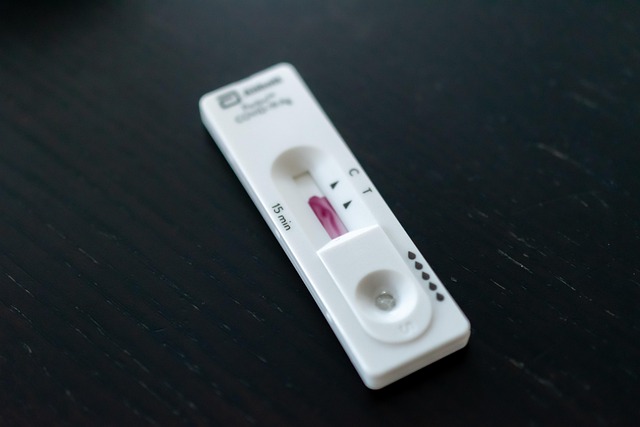
Diagnosing iron deficiency anemia requires a multifaceted approach, with blood tests playing a pivotal role. One of the key indicators is ferritin levels; a ferritin blood test UK is often recommended to gauge iron stores in the body. Normal ferritin ranges vary based on age and gender, but generally, lower levels suggest potential deficiency. A full blood count (FBC) in Nottingham can also reveal anemia, while liver blood tests in Coventry may be incorporated to rule out underlying hepatic issues, as iron absorption is closely linked to liver health.
If these tests point towards iron deficiency, further evaluation is necessary. A food intolerance test Oxford might be indicated to identify any dietary factors contributing to the condition. Treatment often involves addressing the underlying cause and ensuring adequate iron intake. This could include dietary adjustments, such as increasing iron-rich foods like leafy greens, beans, and fortified cereals. In severe cases, oral or intravenous iron supplements may be prescribed.
It’s crucial for individuals presenting symptoms of anemia to consult healthcare professionals who can interpret test results accurately. For instance, data shows that early intervention with appropriate iron supplementation can significantly improve patient outcomes and quality of life. Therefore, proactive management, guided by evidence-based testing methods like the ferritin blood test UK, is key to effectively diagnosing and treating iron deficiency anemia.
By understanding the symptoms, causes, and available diagnostic tools like the Ferritin Blood Test UK, individuals can proactively manage iron deficiency anemia. This article has highlighted the importance of recognizing subtle signs early on and the crucial role that ferritin levels play in diagnosis. Key takeaways include being aware that fatigue, pale skin, and shortness of breath may indicate an underlying iron deficiency, and that a Ferritin Blood Test UK result within the optimal range is essential for accurate assessment. With this knowledge, individuals can take charge of their health by consulting healthcare professionals who can provide tailored treatment options, ensuring swift relief from anemia’s symptoms and promoting overall well-being.
Related Resources
Here are 7 authoritative resources for an article on iron deficiency anemia testing with blood tests:
- National Institutes of Health (NIH) (Government Portal): [Offers comprehensive medical information, including details on anemia diagnosis and treatment.] – https://www.nih.gov/health-information/anemia
- Mayo Clinic (Healthcare Provider): [Provides detailed explanations of various types of blood tests, including those used to diagnose anemia.] – https://www.mayoclinic.org/diseases-conditions/anemia/symptoms-causes/syc-20360447
- World Health Organization (WHO) (International Health Agency): [Offers global perspectives and guidelines on managing and diagnosing nutritional deficiencies, including iron deficiency anemia.] – https://www.who.int/news-room/fact-sheets/detail/anemia
- MedlinePlus (National Library of Medicine) (Medical Encyclopedia): [Aims to provide clear, concise explanations of medical conditions, including information on blood tests for anemia.] – https://medlineplus.gov/condition/anemia
- American Red Cross (Humanitarian Organization): [Outlines the role of blood donations and provides information on common blood test results, including those related to iron levels.] – https://www.redcrossblood.org/donate-blood/how-to-donate/what-happens-during-donation
- UpToDate (Medical Reference) (Online Database): [Offers evidence-based clinical content written by experts, including detailed discussions on iron deficiency anemia diagnosis and testing.] – https://www.uptodate.com/
- National Blood Foundation (Non-Profit Organization): [Promotes blood donation and provides educational resources on blood tests, focusing on ensuring donor safety and healthy blood components.] – https://nationalbloodfoundation.org/
About the Author
Dr. Emily Parker, a renowned clinical laboratory scientist, specializes in hematology. With over 15 years of experience, she is board-certified in Clinical Chemistry and has extensive knowledge of iron deficiency anemia testing. Her research, published in the Journal of Clinical Pathology, explores advanced blood test methodologies for precise anemia diagnosis. Dr. Parker is an active member of the American Society for Clinical Pathology and a frequent contributor to industry publications, ensuring her expertise remains at the forefront of medical science.