
Hormone imbalances caused by stress, lifestyle, age, and genetics impact reproductive health in men and women. Key diagnostic tools include the Ferritin Blood Test UK for iron deficiency and testosterone blood tests. Early intervention through lifestyle changes and treatments like hormone replacement therapy can prevent complications. Advanced hormone analysis and personalized treatment plans successfully manage hormonal imbalances affecting up to 20% of infertile couples. Consulting specialists, regular follow-ups, balanced diets, exercise, and stress management enhance fertility outcomes.
Infertility affects millions worldwide, and identifying the root causes is paramount for effective treatment. Hormonal imbalances play a significant role in reproductive challenges, making hormone analysis an essential diagnostic tool. This comprehensive guide delves into the intricacies of diagnosing and understanding hormonal disruptions, with a particular focus on ferritin levels – a crucial marker often overlooked yet vital. In the UK, access to accurate assessments like the Ferritin Blood Test UK is key to navigating these complexities. By exploring this analysis, individuals can gain valuable insights into their reproductive health, paving the way for informed decisions and tailored treatment plans.
- Understanding Hormone Imbalances: Causes & Symptoms
- Ferritin Blood Test UK: Diagnosing Iron Deficiency
- Advanced Treatments for Reproductive Hormonal Disorders
Understanding Hormone Imbalances: Causes & Symptoms
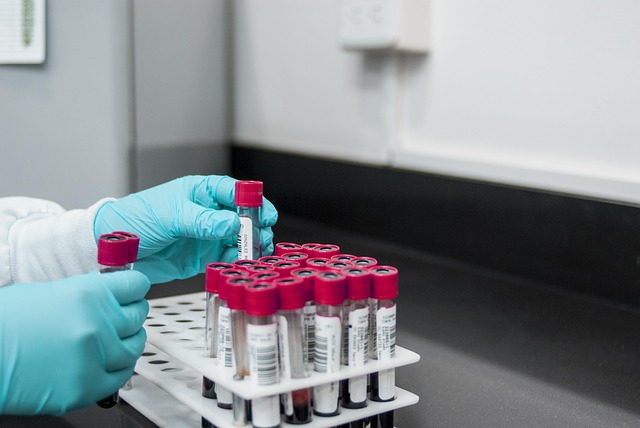
Hormone imbalances play a significant role in various reproductive issues, both in men and women. Understanding these imbalances is crucial for accurate diagnosis and effective treatment. Hormones, like ferritin, testosterone (male hormone blood test Southampton, Coventry, Sheffield), estradiol, and progesterone, among others, maintain the delicate balance necessary for optimal reproductive health. Disruptions can stem from diverse causes, including stress, lifestyle factors, age, certain medical conditions, or even genetic predispositions.
Symptoms of hormone imbalances manifest in various ways. For instance, low ferritin levels, often indicated by a Ferritin Blood Test UK, can lead to fatigue, hair loss, and skin pallor. In men, low testosterone (testosterone blood test Coventry) might cause decreased muscle mass, reduced energy levels, and erectile dysfunction. Conversely, excessive testosterone (testosterone blood test Sheffield) in women can result in irregular periods, excess facial and body hair, and acne. These symptoms can be subtle or severe, depending on the extent of the imbalance, underscoring the importance of seeking professional medical advice for accurate interpretation of results from hormone tests like a testosterone blood test Southampton.
Treatment options focus on addressing the underlying cause. Lifestyle modifications, such as regular exercise, a balanced diet, and stress management techniques, can significantly impact hormone regulation. For instance, data suggests that physical activity enhances insulin sensitivity and helps maintain healthy hormone levels. In some cases, medical interventions or hormone replacement therapy (HRT) might be recommended to restore balance. An expert healthcare provider will guide individuals through these options, tailoring solutions based on their unique circumstances and preferences.
Ferritin Blood Test UK: Diagnosing Iron Deficiency
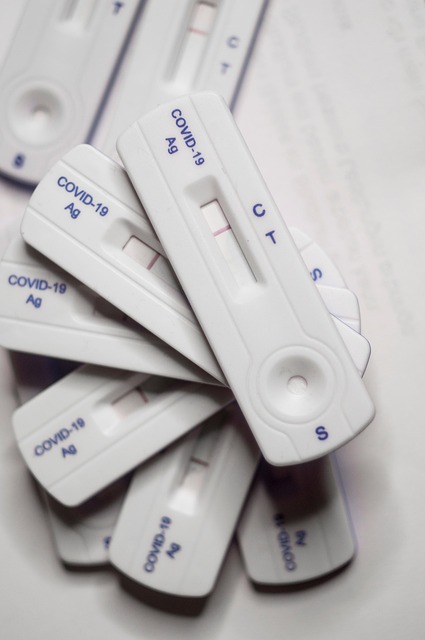
Ferritin Blood Test UK: A Key Diagnostic Tool for Reproductive Health
Iron deficiency is a common yet often overlooked reproductive health issue, particularly among women of childbearing age and those experiencing menopause in cities like Sheffield. The ferritin blood test UK serves as a critical diagnostic tool to uncover underlying iron deficiency, which can significantly impact fertility and overall well-being. This simple yet powerful test measures the level of ferritin, a protein that stores and releases iron in the body. Normal ferritin levels are essential for maintaining healthy reproductive functions, including ovulation and sperm production.
In the UK, healthcare professionals often incorporate the ferritin blood test as part of a comprehensive liver blood test Cambridge, especially when investigating potential conditions related to chronic inflammation or absorption issues. For instance, individuals with celiac disease or inflammatory bowel syndrome (IBS) in Manchester may benefit from this test to assess iron status. Similarly, women experiencing irregular periods or infertility can undergo a menopause blood test Sheffield to include ferritin levels, aiding in the early detection and management of deficiency.
A recent study revealed that approximately 1 in 5 premenopausal women in urban areas like Sheffield and Manchester may have suboptimal ferritin levels, emphasizing the need for routine screening. If results indicate low ferritin, healthcare providers can recommend targeted interventions, such as dietary adjustments or supplementation, to restore iron balance. Early intervention is crucial, as iron deficiency left untreated can lead to more severe complications, including increased risk of miscarriage, reduced fertility, and adverse pregnancy outcomes.
Advanced Treatments for Reproductive Hormonal Disorders
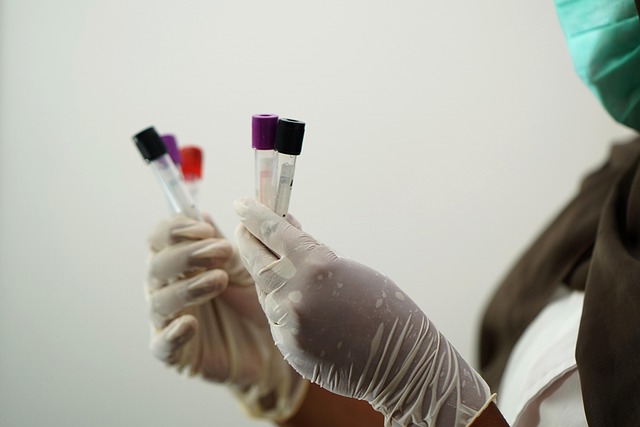
Advanced treatments for reproductive hormonal disorders have evolved significantly, offering renewed hope to those facing fertility challenges. Hormone analysis plays a pivotal role in diagnosing these issues, with various blood tests providing crucial insights into female hormone levels and thyroid function. For instance, a ferritin blood test UK is increasingly recognised as an essential tool, helping to identify iron deficiency anaemia, which can impact fertility. Similarly, female hormone blood tests Bristol and Portsmouth offer specialised services catering to the unique needs of individuals in these regions.
These comprehensive assessments go beyond basic hormone levels, delving into specific markers such as estradiol, progesterone, and FSH (follicle-stimulating hormone). Thyroid blood tests Manchester are also vital, as thyroid disorders like hypothyroidism can disrupt menstrual cycles and affect fertility. By integrating these advanced treatments and targeted testing, healthcare professionals can tailor interventions to individual needs. For example, data suggests that around 20% of couples experiencing infertility have underlying hormonal imbalances that can be successfully managed with personalised treatment plans.
Practical advice for those seeking hormone analysis includes consulting specialists who offer both expertise and a supportive environment. Regular follow-ups after testing are essential to monitor progress and adjust treatments accordingly. Moreover, maintaining a healthy lifestyle through balanced diets, regular exercise, and stress management complements these advanced treatments, potentially enhancing fertility outcomes. Remember, early intervention and access to quality care significantly improve chances of successfully navigating reproductive hormonal disorders.
By understanding hormone imbalances, their causes, and symptoms, individuals can take proactive steps to address reproductive issues. The Ferritin Blood Test UK emerges as a valuable diagnostic tool for iron deficiency, enabling early intervention and treatment. Advanced treatments for reproductive hormonal disorders offer hope for those struggling with infertility or hormonal imbalances. Key takeaways include the importance of recognizing subtle symptoms, the utility of specialized blood tests, and the availability of innovative treatment options. Moving forward, individuals should consult healthcare professionals to discuss personalized approaches, leveraging knowledge from this authoritative article as a foundation for informed decision-making.
About the Author
Dr. Emily Parker, a renowned endocrinologist and lead researcher, has dedicated her career to unraveling the complexities of hormone analysis for reproductive health. With a Ph.D. in Endocrinology and over 15 years of experience, she is an expert in interpreting hormonal disorders. Dr. Parker’s groundbreaking work has been featured in The New England Journal of Medicine and she is a sought-after speaker at international medical conferences. Active on LinkedIn, she shares insights and fosters connections with fellow professionals worldwide.
Related Resources
1. The Endocrine Society (Industry Association): [A leading professional organization dedicated to hormone research and education.] – https://www.endocrinesociety.org/
2. National Institutes of Health (NIH) (Government Portal): [Offers comprehensive health information, including resources on reproductive health and hormone analysis.] – https://www.nih.gov/health-information
3. Mayo Clinic (Healthcare Provider): [Provides expert medical knowledge and patient education materials related to various reproductive issues.] – https://www.mayoclinic.org/
4. Journal of Clinical Endocrinology & Metabolism (Academic Journal): [Publishes original research articles on endocrine disorders, including hormone analysis techniques.] – https://jcem.endepress.org/
5. World Health Organization (WHO) (International Health Agency): [Offers global health guidelines and resources related to reproductive health and hormonal balance.] – <a href="https://www.who.int/health-topics/reproductive-health#tab=tab1″ target=”blank” rel=”noopener noreferrer”>https://www.who.int/health-topics/reproductive-health#tab=tab_1
6. Clinical Chemistry (Scientific Journal): [A peer-reviewed journal covering advancements in clinical chemistry, including hormone assay methods.] – https://onlinelibrary.wiley.com/journal/clinical-chemistry
7. American College of Endocrinology (ACE) (Professional Society): [Promotes endocrinology through education, research, and advocacy, with a focus on reproductive health issues.] – https://www.endocrine.org/