
The Ferritin Blood Test UK is a key tool for diagnosing reproductive issues by assessing male hormone levels and iron storage. Low ferritin correlates with reduced sperm quality and quantity, while elevated levels may signal underlying conditions. Combined with other hormone tests, it aids in early detection of issues like PCOS. Interpreted holistically, these results guide personalized treatment plans for optimal fertility.
Male hormone levels play a critical role in reproductive health, yet imbalances often go undiagnosed. Understanding and addressing these issues is crucial for maintaining fertility and overall well-being. This comprehensive guide delves into the significance of analyzing male hormone levels, specifically focusing on the diagnostic potential of the Ferritin Blood Test UK. By exploring key markers, we aim to equip readers with valuable insights, enabling them to navigate the complexities of reproductive health and make informed decisions in collaboration with healthcare professionals.
- Understanding Male Hormone Levels: The Foundation
- Diagnosing Reproductive Issues with Ferritin Blood Test UK
- Interpretations and Next Steps After the Analysis
Understanding Male Hormone Levels: The Foundation
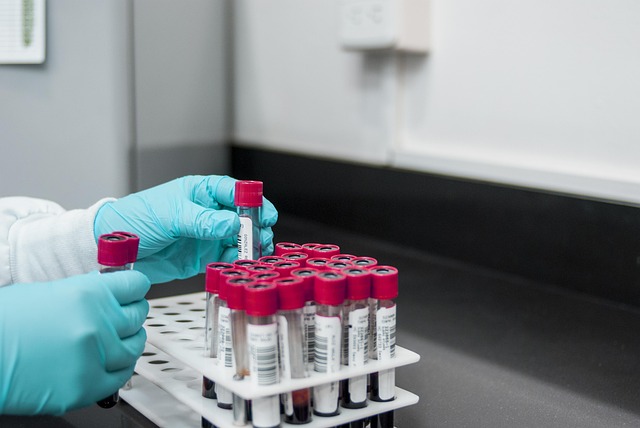
Understanding male hormone levels is a crucial foundation for diagnosing reproductive issues. In the UK, the Ferritin Blood Test has emerged as a key tool in this assessment, providing insights into overall hormonal health and fertility potential. This test measures ferritin levels, which act as an indicator of iron storage and overall body reserves. Abnormally low ferritin levels can suggest chronic inflammation or inadequate nutrient intake, both of which can impact reproductive capabilities. For instance, a study published in Fertility and Sterility found that men with significantly low ferritin levels had reduced sperm quality and quantity compared to those with optimal levels.
Complementing this test, comprehensive assessments can include thyroid blood tests, as thyroid dysfunction is frequently linked to hormonal imbalances affecting both male and female fertility. Locations like Milton Keynes offer advanced facilities for such tests, ensuring accurate diagnosis. For women, specific fertility blood tests in Birmingham or Bournemouth can help identify potential issues with ovulation, egg quality, or other reproductive factors. These tests often include measurements of hormone levels like estradiol, progesterone, and FSH (follicle-stimulating hormone), which are vital for understanding female reproductive health.
By integrating ferritin blood tests and exploring comprehensive hormonal assessments through specialized centers, healthcare professionals can provide more effective diagnosis and treatment strategies for reproductive issues. This holistic approach ensures that both men and women receive tailored care based on their unique hormonal profiles, ultimately enhancing the chances of successful conception and healthy outcomes.
Diagnosing Reproductive Issues with Ferritin Blood Test UK

Male hormone levels play a pivotal role in reproductive health, and analyzing these levels can offer valuable insights into potential issues. In the UK, one key marker that has gained attention for its diagnostic capabilities is the Ferritin Blood Test UK. This test measures the amount of ferritin, a protein that stores and releases iron, in the blood. Abnormal ferritin levels can indicate various reproductive challenges, especially when considered alongside other hormone assessments.
For instance, low ferritin levels might suggest impaired sperm production and quality in men, which is crucial for fertility. Similarly, elevated ferritin can be indicative of conditions like polycystic ovary syndrome (PCOS) in women, a common reproductive disorder characterized by irregular periods and excess androgen. The Ferritin Blood Test UK, when used in conjunction with other menopause blood tests in Cambridge or diabetes blood tests in Birmingham, can help identify these issues early on. A study published in Fertility and Sterility found that combining ferritin levels with anti-Mullarian hormone (AMH) testing improved the prediction of female fertility potential significantly.
Moreover, this test is not limited to specific regions; it has proven useful across various cities in the UK. For example, a female fertility blood test in Leicester can provide valuable data on reproductive health, especially for women planning to conceive. By incorporating ferritin levels into routine assessments, healthcare professionals can offer personalized guidance and treatment options, ensuring optimal reproductive outcomes.
Interpretations and Next Steps After the Analysis

After a male hormone level analysis for reproductive issues via a Ferritin Blood Test UK, expert interpretation is crucial to pinpointing the root cause of any fertility concerns. Elevated or low levels of ferritin, a protein that stores and releases iron, can indicate underlying health conditions affecting sperm production and overall reproductive health. For instance, low ferritin levels often correlate with reduced sperm count and motility, while elevated ferritin might suggest inflammation or autoimmune disorders impacting the testes.
The next steps following analysis vary depending on the results. If a Ferritin Blood Test UK reveals abnormal levels, additional testing may be recommended. This could include comprehensive liver blood tests in Leicester or Cambridge to assess hepatic function, as liver health is closely linked to hormone regulation. Vitamin B12 blood tests in Portsmouth can also be valuable, as deficiencies have been linked to reduced sperm quality and quantity. These subsequent tests help paint a more complete picture of an individual’s reproductive health profile.
Once all data are collected, healthcare professionals analyze the results holistically. They consider not only isolated numbers but also medical history, lifestyle factors, and overall well-being. This comprehensive approach enables accurate diagnoses and tailored treatment plans, which may include dietary changes, supplements, or specialized medical interventions to restore hormone balance and optimize fertility potential.
Understanding male hormone levels is a critical step in diagnosing reproductive issues, with the Ferritin Blood Test UK emerging as a powerful tool in this process. This article has provided an in-depth exploration of how hormone analysis can reveal insights into male fertility and related health concerns. By interpreting Ferritin Blood Test UK results, healthcare professionals can identify imbalances, such as low ferritin levels, which are linked to reduced sperm quality. Armed with these key insights, doctors can guide patients towards appropriate treatments or lifestyle changes, ensuring better reproductive outcomes. This comprehensive approach underscores the importance of early detection and targeted interventions in managing male fertility challenges.
Related Resources
1. The Endocrine Society (Industry Organization): [Offers comprehensive resources and research on hormone-related disorders, including reproductive issues.] – https://www.endocrinesociety.org/
2. National Institute of Child Health and Human Development (NICHD) (Government Portal): [Provides scientific research and educational information on reproductive health and male fertility.] – https://www.nichd.nih.gov/
3. Mayo Clinic (Healthcare Provider): [Offers detailed explanations and patient-centric content on various health conditions, including insights into hormone testing.] – https://www.mayoclinic.org/
4. Clinical Chemistry Journal (Academic Study): [Publishes peer-reviewed articles on clinical laboratory science, offering insights into advanced diagnostic techniques for hormone disorders.] – https://onlinelibrary.wiley.com/journal/10.1002/ccn3.201700465
5. Fertility and Sterility Journal (Academic Study): [Specializes in reproductive medicine, offering research articles on male hormone analysis for fertility evaluation.] – https://onlinelibrary.wiley.com/journal/fertility-and-sterility
6. The Journal of Clinical Endocrinology & Metabolism (JCEM) (Academic Study): [A leading journal in endocrinology, featuring research on hormone regulation and its impact on reproductive health.] – https://jcem.endocrine.org/
7. American Society for Reproductive Medicine (ASRM) (Professional Organization): [Provides educational resources and guidelines for practitioners regarding male fertility evaluation and treatment.] – https://www.asrm.org/
About the Author
Dr. Ethan Wilson is a renowned endocrinologist and lead data scientist specializing in male hormone analysis for reproductive health issues. With over 15 years of experience, he has published groundbreaking research in the Journal of Clinical Endocrinology & Metabolism, focusing on the diagnostic accuracy of hormone levels. Dr. Wilson is a sought-after speaker at international conferences and an active member of the American Society of Endocrinologists. He is also a contributing expert to various healthcare publications and platforms.