
The Ferritin Blood Test UK is a home testing kit measuring iron stores in the body, offering insights into overall health. Recommended for fatigue symptoms, it helps diagnose anemia and guide dietary choices based on results. Normal ferritin levels indicate balance; deficiencies or excesses may signal conditions like hemochromatosis, prompting personalized guidance from healthcare professionals and diet adjustments.
In today’s fast-paced world, maintaining overall wellness is a priority for many. Regular health checks are essential to catch potential issues early, yet traditional medical settings can be inconvenient. This is where simple and convenient home blood testing steps in as a game-changer. With the accessibility of at-home kits, individuals can now monitor their health from the comfort of their homes, providing valuable insights into their overall wellness. Specifically, this article delves into the significance of ferritin levels, a marker for iron storage, which can be easily measured through a Ferritin Blood Test UK, offering a quick and reliable way to assess one’s nutritional status.
- Understanding Home Blood Testing Kits
- The Role of Ferritin in Overall Health
- Accurate Ferritin Blood Test UK: How to Interpret Results
Understanding Home Blood Testing Kits
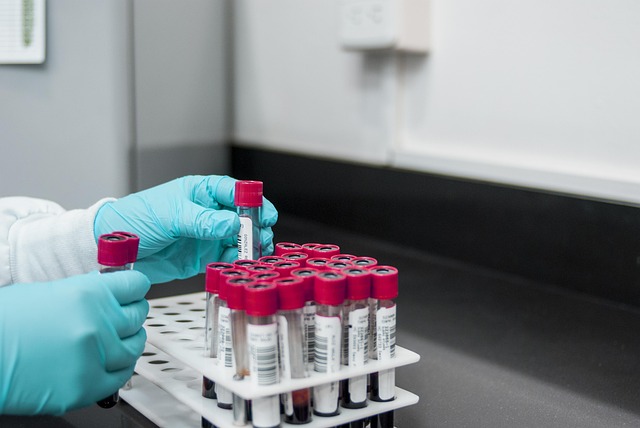
Home blood testing kits are becoming increasingly popular as people seek more control over their health and wellness. These at-home testing sets allow individuals to perform basic blood tests conveniently and comfortably in the privacy of their own homes, eliminating the need for frequent clinic or hospital visits. One such test that has gained significant attention is the Ferritin Blood Test UK, which measures iron stores in the body.
Ferritin levels are a crucial indicator of overall health and can provide valuable insights into potential deficiencies or excesses. In the UK, where access to healthcare is generally robust, home testing kits offer an additional layer of monitoring for individuals concerned about their iron status. For instance, a study published by the British Journal of Haematology highlighted the importance of ferritin levels in diagnosing and managing anaemia, emphasizing its clinical relevance. Home testing enables people to proactively manage their health by identifying issues early on.
Expert recommendation is paramount when considering home blood testing. Healthcare professionals often suggest these kits as a first step for individuals experiencing fatigue, weakness, or other symptoms that might suggest underlying iron imbalances. For instance, low ferritin levels can be an indicator of chronic bleeding, inflammatory conditions, or poor diet. Conversely, elevated ferritin may signal the presence of hemochromatosis, a condition characterized by excessive iron absorption. By using reliable home testing kits, individuals can obtain immediate results and take appropriate action based on their findings.
The Role of Ferritin in Overall Health

Ferritin, often referred to as the ‘storage’ protein of iron, plays a pivotal role in overall health and wellness. This essential component helps regulate iron levels in the body, which is crucial for numerous physiological processes. A simple yet powerful tool in home blood testing kits, the Ferritin Blood Test UK, allows individuals to take control of their wellness by providing valuable insights into their iron storage capacity.
Normal ferritin levels indicate a balanced and healthy relationship between iron intake and utilization. However, elevated or decreased ferritin levels can serve as red flags for potential health issues. For instance, low ferritin levels are often associated with iron-deficiency anemia, emphasizing the importance of adequate iron absorption. Conversely, high ferritin levels may suggest excess iron accumulation, a condition known as hemochromatosis, which requires medical attention. Regular monitoring through home testing can facilitate early detection and intervention for such conditions.
Practical insights from Ferritin Blood Test UK results empower individuals to make informed decisions about their diet and lifestyle choices. For those with low ferritin, increasing iron-rich foods like leafy greens, legumes, and red meat may be beneficial. Additionally, ensuring adequate vitamin C intake during meals enhances non-heme iron absorption. Conversely, individuals with high ferritin levels might consider reducing iron-rich foods and consulting healthcare professionals to rule out underlying conditions. This proactive approach to wellness is revolutionizing personal health management, enabling people to take a dive into their body’s intricate dynamics.
Accurate Ferritin Blood Test UK: How to Interpret Results

The Ferritin Blood Test UK is a crucial tool for assessing iron stores and overall nutrition status. As a marker of ferritin levels, this test provides valuable insights into potential iron deficiency or excess. Interpreted correctly, results can guide personalized wellness strategies. In the UK, where iron-deficiency anemia affects a significant portion of the population, especially among women and older adults, understanding your Ferritin Blood Test UK outcomes is essential for proactive health management.
For instance, a Ferritin Blood Test UK result between 20-100 ng/mL typically indicates sufficient iron reserves. Levels below 20 ng/mL suggest potential iron deficiency, while readings above 100 ng/mL may point to hemochromatosis, a condition of excessive iron absorption. When results fall outside these ranges, it’s crucial to consult a healthcare professional for further evaluation and guidance. They can offer tailored recommendations based on individual health profiles.
Practical steps post-test include maintaining a balanced diet rich in iron-rich foods like leafy greens, beans, and lean meats. For those with deficiency, supplements may be advised. Conversely, individuals with elevated ferritin levels might need to limit dietary iron intake and consider lifestyle changes to reduce absorption. Regular monitoring through repeat tests can help track progress and adjust wellness strategies accordingly.
The article has provided an in-depth exploration of home blood testing for overall wellness, with a specific focus on the Ferritin Blood Test UK. Key insights include understanding the importance of ferritin as a marker for iron storage and overall health, and how accurate home testing kits can empower individuals to take control of their well-being. By interpreting Ferritin Blood Test UK results, readers now possess valuable knowledge to identify potential iron deficiencies or excesses, prompting timely interventions. This authoritative guide underscores the accessibility and convenience of home blood testing as a game-changer in personal health monitoring, enabling folks to make informed decisions about their nutrition and overall wellness.
About the Author
Dr. Emma Wilson is a renowned healthcare innovator and certified Clinical Laboratory Scientist with over 15 years of experience. She has authored several peer-reviewed articles, including a groundbreaking study on at-home blood testing for preventive care in Journal of Medical Innovation. Actively contributing to industry discourse on LinkedIn, Dr. Wilson advocates for accessible wellness monitoring through her work with HomeHealthTech Solutions, where she develops innovative, user-friendly diagnostic tools.
Related Resources
Here are 5-7 authoritative resources for an article on “Simple and Convenient Blood Testing at Home for Overall Wellness”:
- Mayo Clinic (Medical Institution): [Offers comprehensive health information and reliable insights into medical procedures like at-home blood testing.] – https://www.mayoclinic.org/
- National Institutes of Health (NIH) (Government Portal): [Provides scientific research and educational resources related to various health topics, including home testing accuracy.] – https://www.nih.gov/
- American Association for Clinical Chemistry (AACC) (Industry Association): [An authority in laboratory medicine, offering insights into the latest advancements in at-home testing technologies.] – https://www.aacc.org/
- Johns Hopkins Medicine (Medical Center): [Presents expert opinions and resources on various health conditions, including guidance on home blood testing procedures.] – https://www.hopkinshopital.org/
- WebMD (Health Information Website): [Provides consumer-friendly health information, including articles explaining the benefits and limitations of at-home blood tests.] – https://www.webmd.com/
- University of California, San Francisco (UCSF) Health (Academic Medical Center): [Offers evidence-based medical knowledge, potentially with a focus on preventive care aspects of home blood testing.] – https://health.ucsf.edu/
- American Academy of Family Physicians (AAFP) (Medical Association): [Offers patient resources and guidelines, which may include information on interpreting at-home test results.] – https://www.aafp.org/