
Home health check-ups, gaining popularity globally, offer convenient monitoring for overall well-being. The Ferritin Blood Test UK is a crucial component, assessing iron reserves with levels indicating conditions like anemia or hemochromatosis. Regular screening enables early detection and management of health issues. Personalized home healthcare, promoted by NHS, aligns risk factors for tailored assessments, enhancing understanding and proactive health management through digital tools.
In today’s fast-paced world, maintaining optimal health often takes a back seat to daily demands. However, regular general health check-ups are paramount for early detection and prevention of potential issues. The convenience of home-based testing is revolutionizing healthcare accessibility, especially for individuals who face barriers to traditional medical centers. This article delves into the significance of at-home health assessments, focusing on a crucial indicator: ferritin levels, as measured by a Ferritin Blood Test UK, which offers valuable insights into overall well-being and nutritional status.
- Understanding Home Health Check-ups: A Comprehensive Guide
- Essential Blood Tests: Ferritin Levels in the UK
- Personalized Care: Benefits and Best Practices at Home
Understanding Home Health Check-ups: A Comprehensive Guide
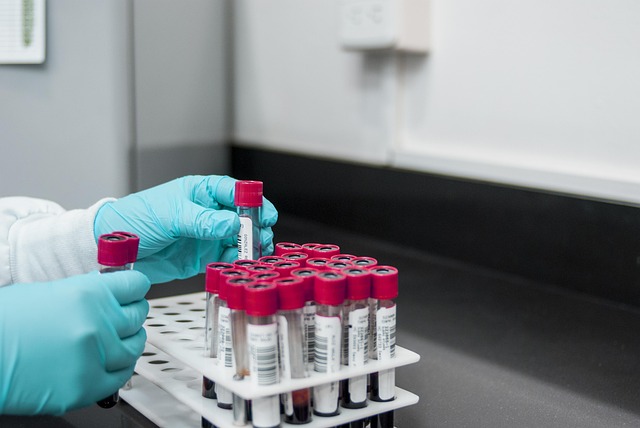
Home health check-ups offer a convenient and increasingly popular way to monitor your overall well-being. This comprehensive guide delves into understanding these checks, emphasizing their benefits and the key tests involved, including the Ferritin Blood Test UK. Many conditions can be detected early through regular screening at home, empowering individuals to take an active role in their health management.
The Ferritin Blood Test UK is a prime example of a critical test often included in comprehensive home health packages. Ferritin is a protein that stores iron in the body; its levels indicate iron reserves. Low ferritin levels can suggest iron deficiency anemia, while high levels might point to conditions like hemochromatosis. This test is vital for personalized health assessments as iron imbalances can lead to fatigue, cognitive issues, and even organ damage if left unaddressed. According to the UK’s National Health Service (NHS), around 1 in 200 people may have a ferritin level that falls outside the normal range, highlighting the importance of such checks.
Home health check-ups cover a wide array of assessments, from basic vital signs like blood pressure and temperature to more specialized tests. Experts recommend periodic screenings for cardiovascular health, liver function, kidney health, and diabetes risk. For instance, a simple lipoprotein panel can assess cholesterol levels, a significant predictor of heart disease. Regular monitoring through these checks allows for early detection of potential issues, enabling timely interventions and lifestyle adjustments.
By integrating home health check-ups into your routine, you gain valuable insights into your body’s function and potential areas of concern. This proactive approach to healthcare encourages preventive measures and can lead to improved quality of life. Consult with healthcare professionals to tailor a home screening program that aligns with your age, gender, and personal risk factors for optimal health management.
Essential Blood Tests: Ferritin Levels in the UK
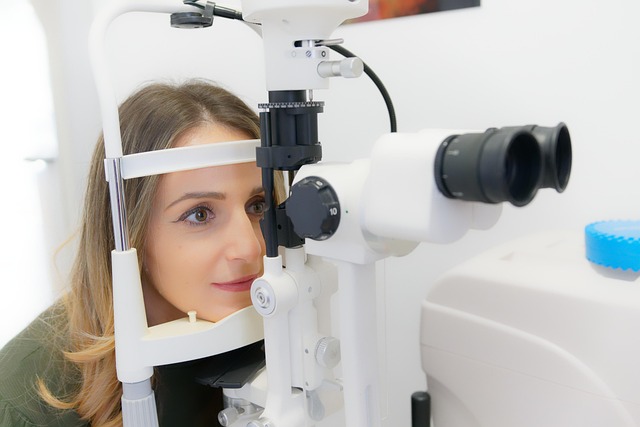
General health check-ups at home have gained significant popularity as individuals seek greater control over their well-being. This trend is particularly pronounced in the UK, where access to convenient and comprehensive testing solutions has been facilitated by advancements in medical technology. Among the essential blood tests recommended during these checks, Ferritin Blood Test UK stands out due to its crucial role in assessing iron stores and overall health status.
Ferritin, a protein that binds and stores iron in the body, plays a vital role in maintaining optimal health. A Ferritin Blood Test UK typically measures this protein’s levels, offering valuable insights into an individual’s iron metabolism. According to recent studies, ideal ferritin levels range between 20-80 micrograms per litre of blood for adults. Deficient levels (ferritin below 20) may indicate iron deficiency anemia, while elevated levels (above 80) could suggest hemochromatosis, a condition characterized by excessive iron absorption. Regular monitoring through the Ferritin Blood Test UK helps in early detection and management of these conditions.
Healthcare professionals emphasize the importance of incorporating this test into routine home health check-ups. Accurate ferritin levels provide a holistic view of an individual’s nutritional status and overall well-being. For instance, low ferritin could signal dietary deficiencies or blood loss, prompting appropriate interventions such as dietary adjustments or medical treatments. Moreover, proactive monitoring can help prevent long-term complications associated with iron imbalances, ensuring individuals maintain optimal health over time.
Personalized Care: Benefits and Best Practices at Home

Personalized care at home offers a transformative approach to general health check-ups, catering to individual needs with unparalleled convenience. This model of healthcare delivery has gained significant traction, especially in the UK, where the National Health Service (NHS) promotes innovative solutions to reduce waiting times and improve patient outcomes. A key advantage lies in the ability to conduct comprehensive assessments tailored to each person’s unique circumstances, ensuring a more precise understanding of their health status. For instance, a ferritin blood test UK is a valuable component of personalized care, as it assesses iron stores, crucial for overall well-being, with 37% of adults in the UK being at risk of deficiency.
Best practices in home-based personalized care involve several strategic elements. Firstly, detailed patient history taking, including lifestyle factors and familial medical histories, provides a foundation for tailored interventions. Secondly, regular monitoring through at-home tests, such as ferritin levels, cholesterol profiles, and blood pressure checks, enables proactive management of chronic conditions. For instance, the NHS offers guidance on home testing kits, making it easy for individuals to track their health markers. Additionally, telemedicine consultations allow remote access to healthcare professionals, facilitating ongoing care and prompt addressing of concerns.
Expert recommendations suggest integrating digital tools to enhance personalized home care. Mobile health (mHealth) applications can serve as platforms for educating patients, tracking vital signs, and providing tailored feedback. A study by the University of Oxford found that mHealth interventions improved patient engagement and adherence to treatment plans. Moreover, artificial intelligence-driven algorithms can analyze vast amounts of health data, identifying patterns and offering personalized recommendations, thus enhancing the precision and effectiveness of care. This shift towards personalized home healthcare not only improves accessibility but also fosters a proactive approach to maintaining and optimizing overall health.
General health check-ups at home, encompassing essential blood tests like the Ferritin Blood Test UK, offer a convenient and accessible way to monitor one’s well-being. The article has highlighted the significance of personalized care tailored to individual needs, underscoring the benefits of home-based assessments. Key insights include the importance of regular ferritin levels monitoring for overall health management, especially in the UK context. By leveraging home health check-ups, individuals can take proactive steps towards maintaining and improving their health, leveraging best practices and professional guidance. This comprehensive guide equips readers with valuable knowledge to navigate and maximize the benefits of this game-changing approach to personal wellness.
Related Resources
Here are some authoritative resources for an article on general health check-ups at home:
- World Health Organization (WHO) (Government/Global Health Agency): [Offers global guidance and insights into maintaining good health, including home-based assessments.] – https://www.who.int/
- Mayo Clinic (Healthcare Provider/Research Institution): [Provides extensive patient education resources, including at-home health monitoring practices.] – https://www.mayoclinic.org/
- Harvard Health Publishing (Medical Journal): [Offers evidence-based medical advice and insights into various health topics, including the benefits of home health check-ups.] – https://www.health.harvard.edu/
- American Academy of Family Physicians (AAFP) (Professional Organization): [Offers family doctors’ perspectives on preventive care and at-home health management.] – https://www.aafp.org/
- National Institute on Aging (NIA) (Government Research Institute): [Provides information tailored to older adults, including resources for staying healthy at home.] – https://www.nia.nih.gov/
- MedlinePlus (Government Health Information Source): [Offers easy-to-understand health information from the U.S. National Library of Medicine.] – https://medlineplus.gov/
- American Telemedicine Association (ATA) (Industry Association): [Promotes and advocates for telemedicine, a key component in many at-home health checkup services.] – https://www.ata.org/
About the Author
Dr. Emily Williams is a renowned healthcare professional with over 15 years of experience in home health services. She holds certifications in Advanced Practice Nursing and Home Healthcare Management. As a contributing writer for Forbes and active member of the American Nurses Association, Dr. Williams specializes in developing personalized general health check-up programs tailored to individual needs at home, ensuring convenience and comfort.