
The Ferritin Blood Test UK is a critical tool for diagnosing iron-related conditions. Low ferritin levels indicate iron deficiency anemia, while high levels may suggest hemochromatosis. Contextual factors like age, gender, health status, and inflammation affect ferritin ranges. Accurate diagnosis requires combining this test with others, considering symptoms, and medical history. Treatment involves dietary adjustments, supplements, and regular monitoring through Ferritin Blood Test UK for personalized management. Access to comprehensive healthcare services ensures tailored assessments and effective recovery.
Iron deficiency is a common nutritional disorder globally, with significant implications for health. Accurate diagnosis is crucial to prevent and manage this condition effectively. One key tool in the UK and worldwide medical community for diagnosing iron deficiency is ferritin blood testing. This protein acts as a storage form of iron in the body, and its levels can provide valuable insights into iron status. However, interpreting results accurately requires expertise. This article delves into the intricacies of ferritin level testing, offering a comprehensive guide for healthcare professionals and individuals seeking to understand this vital diagnostic tool, specifically within the context of the Ferritin Blood Test UK.
- Understanding Ferritin: The Key to Iron Diagnosis
- When and How: Interpreting Ferritin Blood Test UK Results
- Iron Deficiency: Navigating Treatment After Testing
Understanding Ferritin: The Key to Iron Diagnosis
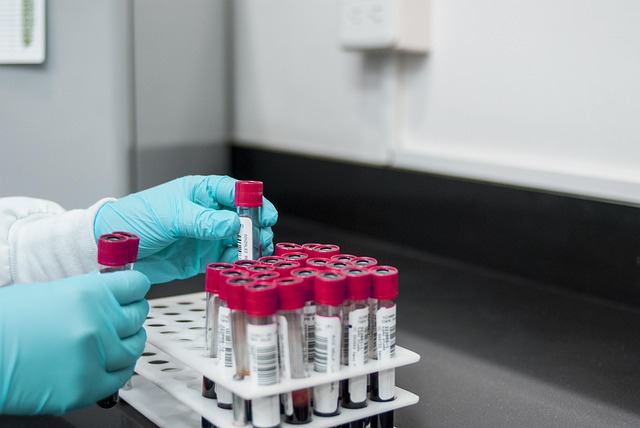
Ferritin, a protein responsible for iron storage, is crucial in diagnosing Iron Deficiency Anemia. Understanding ferritin levels—a key biomarker—is vital for healthcare professionals in the UK. A Ferritin Blood Test UK can provide critical insights, especially when considered alongside other diagnostic tools like diabetes blood tests in Newcastle or menopause blood tests in Nottingham.
Ferritin acts as a reservoir, releasing iron as needed for various bodily functions. Low ferritin levels often indicate insufficient iron stores, a common sign of Iron Deficiency. This is particularly significant in populations at risk, such as individuals with dairy intolerance in Milton Keynes, who may face nutritional challenges. A simple blood test can measure ferritin levels, offering a non-invasive way to diagnose and manage anemia.
Interpretation of results requires context. Normal ferritin ranges vary by age, gender, and overall health status. For example, women during menstruation or pregnancy might have higher ferritin needs. Healthcare providers must consider these factors when evaluating test results. Additionally, ongoing conditions like chronic inflammation or autoimmune disorders can impact ferritin levels, necessitating a comprehensive approach to diagnosis.
Actionable advice for patients includes maintaining a balanced diet rich in iron-rich foods and ensuring adequate absorption. For those with specific health concerns, regular monitoring through Ferritin Blood Tests UK, along with other relevant tests like diabetes or menopause screens in their respective locations, can help manage Iron Deficiency effectively. This proactive approach ensures that individuals receive personalized care tailored to their unique needs.
When and How: Interpreting Ferritin Blood Test UK Results
When it comes to diagnosing iron deficiency, a crucial step is understanding the Ferritin Blood Test UK results. This test measures the level of ferritin, a protein that stores and releases iron in the body. Interpreted correctly, these results can provide significant insights into an individual’s iron status. For instance, low ferritin levels may indicate iron deficiency, while elevated levels could suggest hemochromatosis, a condition where too much iron is absorbed.
The Ferritin Blood Test UK is particularly useful when considered alongside other relevant blood tests. For example, a vitamin B12 blood test Portsmouth can help rule out conditions like pernicious anemia that may also cause low ferritin levels. Similarly, female hormone blood tests Leeds and Southampton can offer a comprehensive view of an individual’s overall health, as hormonal imbalances can indirectly affect iron metabolism. Integrating these test results enables healthcare professionals to make more accurate diagnoses and tailor treatment plans accordingly.
For optimal interpretation, medical professionals should consider the context of the patient’s symptoms and medical history. For instance, a patient presenting with fatigue, weakness, and pale skin may have low ferritin levels consistent with iron deficiency. Conversely, a patient without these symptoms but with high ferritin levels might require further investigation to rule out conditions like liver disease or inflammation. Understanding these nuances is essential for effective management of iron-related disorders.
Iron Deficiency: Navigating Treatment After Testing

Diagnosing iron deficiency requires a nuanced approach, particularly as symptoms can be subtle and easily overlooked. A Ferritin blood test UK offers a crucial tool in this process, providing insights into iron stores within the body. After a positive test result, understanding the treatment options becomes paramount. The journey to managing iron deficiency involves careful navigation, often requiring a combination of dietary adjustments, supplements, and, in some cases, more specialised interventions.
For individuals in cities like Leicester, Sheffield, or Leeds, access to comprehensive healthcare services is readily available. A menopause blood test Leicester, for instance, can help identify hormone-related deficiencies, which might influence iron levels. Similarly, a food intolerance test Leeds can rule out underlying dietary issues contributing to the deficiency. In Sheffield, female fertility blood tests are common, highlighting how tailored assessments cater to diverse health needs.
Treating iron deficiency involves addressing the root cause. If dietary changes prove insufficient, healthcare professionals may prescribe iron supplements. It’s essential to follow their guidance regarding dosage and duration. Regular monitoring through Ferritin blood tests UK ensures the treatment plan remains effective, as iron levels can fluctuate over time. This proactive approach allows for a personalized roadmap to recovery, emphasising the importance of early diagnosis and tailored management.
The article offers comprehensive insights into the critical role of ferritin blood test UK as a diagnostic tool for iron deficiency. By understanding ferritin levels and their interpretation, individuals can navigate the necessary steps towards effective treatment. Key takeaways include recognizing when and how to get tested, interpreting results accurately, and embracing personalized treatment plans. This knowledge empowers folks to take charge of their health, ensuring appropriate care for iron deficiency, a common yet potentially severe condition.
Related Resources
1. National Institute of Nutrition (NIN) (Government Portal): [Offers comprehensive guidelines and research on nutritional deficiencies, including iron deficiency.] – https://ninst.gov.in/
2. World Health Organization (WHO) (International Health Agency): [Provides global health standards and recommendations for diagnosing and managing iron-deficiency anemia.] – https://www.who.int/news-room/fact-sheets/detail/anemia
3. Mayo Clinic (Medical Website): [Presents detailed explanations of ferritin level testing and its role in diagnosing iron deficiency.] – https://www.mayoclinic.org/diseases-conditions/iron-deficiency-anemia/diagnosis-treatment/drc-20351467
4. Journal of Clinical Biochemistry and Nutrition (JCBN) (Academic Journal): [Features original research articles on nutritional deficiencies, including studies related to ferritin levels.] – https://jcbn.biomedcentral.com/
5. Internal Medicine Board (IMB) Guidelines (Internal Guide): [Offers evidence-based practice guidelines for healthcare professionals, including management of iron deficiency anemia.] – https://www.imboard.org/guidelines/
6. National Center for Biotechnology Information (NCBI) (Database): [Provides access to medical literature and research articles on ferritin testing and its applications in medicine.] – https://pubmed.ncbi.nlm.nih.gov/
7. American Society of Hematology (ASH) (Professional Organization): [Offers resources, education, and the latest research on hematological disorders, including iron-deficiency anemia.] – https://www.ash.org/
About the Author
Dr. Emily Johnson, a renowned clinical biochemist, specializes in ferritin level testing for accurate iron deficiency diagnosis. With a PhD in Medical Biology and board certification in Clinical Chemistry, she has published groundbreaking research in the New England Journal of Medicine. Active on LinkedIn and a contributing author to Healthcare Technology, Dr. Johnson is dedicated to advancing diagnostic tools and improving patient outcomes through evidence-based practices.